-
Bus, Airlines
-
Hotel & lodge
-
5,416 metres
-
Kathmandu
-
Spring & Autumn
-
Trekking
-
All meals during the trek
-
English, Spanish, French, Chinese
-
Easy to Moderate
-
1-12 People
Overview
Travel is the movement of people between relatively distant geographical locations, and can involve travel by foot, bicycle, automobile, train, boat, bus, airplane, or other means, with or without luggage, and can be one way or round trip. Travel can also include relatively short stays between successive movements.
The origin of the word “travel” is most likely lost to history. The term “travel” may originate from the Old French word travail, which means ‘work’. According to the Merriam Webster dictionary, the first known use of the word travel was in the 14th century.
Highlights
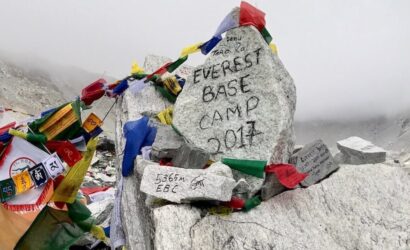
- Trek to the world-famous Everest Base Camp
- Enjoy the amazing view of the Himalayas from Kala Patthar
- Travel through the Sherpa villages of Namche, Khumjung, Khunde, and Dingboche
- Visit Tengboche the biggest and oldest monastery n the region.
Itinerary
Upon arrival in Kathmandu, representatives of Himalayan Monks SP. Z O.O., operating through its local partner Jagadamba Holidays, will warmly welcome you at Tribhuvan International Airport, Kathmandu, Nepal, with the company’s logo (Himalayan Monks SP. Z O.O.) and traditional marigold garlands. In the event of a late-night arrival, private transportation to the hotel will be arranged by the representative.
Clients will be informed of tour briefings and group meeting times by a representative. During the meeting, travel plans and services will be discussed, and the trek or tour guide will be introduced according to the itinerary. All participants must complete a legally binding travel form and a non-liability disclaimer form. Any outstanding tour payments must be settled during this meeting.
Holiday Trekkers Lodge
After breakfast, begin your trek from Ngadi Bazaar (930 m) to Jagat (1,300 m), following the Marsyangdi River through terraced fields, forests, and traditional villages. The trail offers beautiful valley views and glimpses of local rural life.
Today’s 14 km trek takes about 5–6 hours, with a gradual ascent, making it an ideal introduction to the Annapurna Circuit. Upon reaching Jagat, relax in this peaceful village and enjoy a warm meal. Overnight in Jagat.
Hotel Jagat Guest House
After breakfast in Jagat (1,300 m), the trek continues toward Dharapani (1,860 m) via the beautiful Tal Village (1,700 m). The trail follows the Marsyangdi River through lush forests, terraced fields, suspension bridges, and traditional villages, offering scenic views and cultural encounters.
This 15 km trek takes about 5–6 hours, with a steady ascent on well-defined paths. Upon reaching Dharapani, enjoy the lively village atmosphere influenced by Tibetan and local culture. Overnight in Dharapani.
Hotel Laligurans
After breakfast in Dharapani (1,860 m), the trek continues to Chame (2,650 m), the administrative center of Manang. The trail passes through forests and traditional villages such as Timang, with scenic views of waterfalls, pine forests, suspension bridges, and the Marsyangdi River.
Today’s 16 km trek takes about 6–7 hours with a steady ascent. Upon arrival in Chame, relax in this lively mountain town and enjoy the local atmosphere. Overnight at Hotel New Shangri-La or a similar standard hotel in Chame.
Hotel New Shangri-La
After breakfast in Chame (2,650 m), the trek continues to Upper Pisang (3,300 m), passing through scenic villages such as Bhratang and Dhikur Pokhari. The trail follows gentle forested paths and terraced fields, offering stunning mountain views and rich Tibetan-influenced culture.
Today’s 14 km trek takes about 5–6 hours with a gradual ascent, making it both accessible and rewarding. Upon arrival, enjoy the peaceful atmosphere and panoramic Himalayan scenery of Upper Pisang. Overnight at Hotel Manang Marshyangdi or a similar standard hotel in Upper Pisang.
Hotel Manang Marshyangdi
After breakfast in Upper Pisang (3,300 m), the trek continues to Manang (3,540 m) via the high-altitude villages of Ghyaru and Ngawal, offering spectacular views of the Annapurna range and strong Tibetan cultural influence. The trail features a mix of forested paths, terraced fields, and alpine landscapes.
This 20 km trek takes about 7–8 hours, with gradual ascents and descents providing a rewarding trekking experience. Upon arrival in Manang, relax, explore local monasteries, and acclimatize for higher elevations ahead. Overnight at Hotel Thorong La or a similar standard hotel in Manang.
Hotel Thorong La
After breakfast in Manang (3,540 m), enjoy a well-deserved acclimatization day or opt for the scenic Ice Lake hike (4,600 m). This important rest day helps your body adjust to the altitude while offering options for light exploration or a rewarding high-altitude hike.
The optional Ice Lake hike takes about 8–9 hours round trip, passing alpine meadows and rugged trails with stunning Himalayan views. Those staying in Manang can explore monasteries, village streets, and local culture. Overnight at Hotel Thorong La or a similar standard hotel in Manang.
Hotel Thorong La
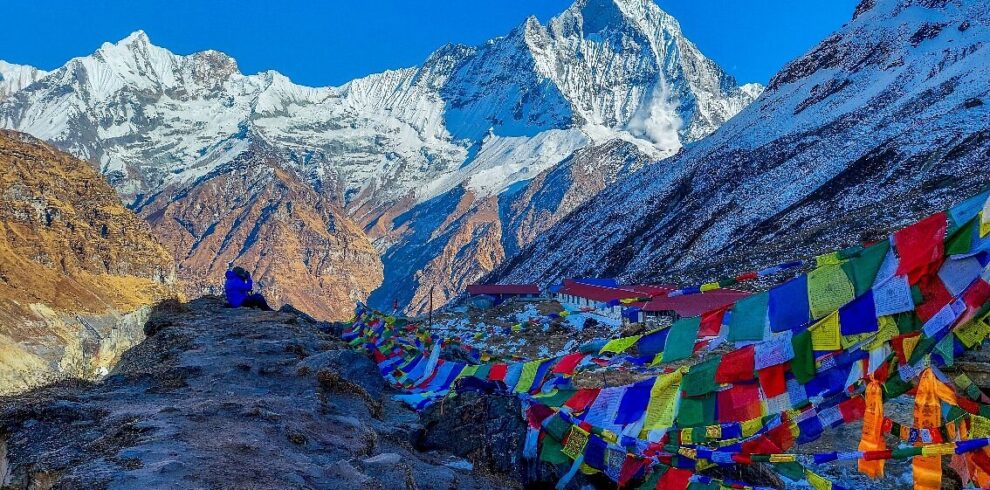
After breakfast in Manang (3,540 m), the trek continues to Yak Kharka (4,018 m) through alpine meadows, grazing pastures, and small Himalayan hamlets with strong Tibetan cultural influence. The trail offers spectacular views of the Annapurna and Manaslu ranges while gradually gaining altitude.
This 10 km trek takes about 4–5 hours, with a steady ascent ideal for acclimatization. Upon arrival, relax in the peaceful high-altitude setting and prepare for the higher passes ahead. Overnight at Hotel Dream Home or a similar standard hotel in Yak Kharka.
Hotel Dream Home
After breakfast in Yak Kharka (4,018 m), the trek continues to Thorong Phedi (4,450 m), the base camp for the iconic Thorong La Pass. The trail ascends through alpine meadows and rugged terrain, offering dramatic views of the Annapurna and Dhaulagiri ranges and glimpses of seasonal high-altitude settlements.
This 7 km trek takes about 4–5 hours, with a steady climb ideal for acclimatization. Upon arrival, rest and prepare for the challenging pass ahead in this scenic high-mountain setting. Overnight at Hotel New Phedi or a similar standard hotel in Thorong Phedi.
Hotel New Phed
Start early from Thorong Phedi (4,450 m) for the challenging ascent to Thorong La Pass (5,416 m), the highest point of the Annapurna Circuit. The steady climb rewards trekkers with breathtaking Himalayan panoramas and prayer-flag-lined views at the summit.
After crossing the pass, descend through dramatic high-altitude landscapes into the sacred town of Muktinath (3,760 m), an important pilgrimage site for Hindus and Buddhists. This 15 km trek is demanding but unforgettable. Overnight at Hotel Eureka Inn or a similar standard hotel in Muktinath.
Hotel Eureka Inn
After breakfast in Muktinath (3,760 m), the trek descends through alpine meadows, terraced fields, and Mustang’s rugged canyons toward Jomsom (2,743 m), passing villages like Jhong and Lupra with traditional Tibetan-style homes and ancient monasteries.
This 19.7 km trek takes about 6–7 hours, with a gradual ascent of 570 m and a descent of 1,500 m, offering spectacular views of the Kali Gandaki River and surrounding Himalayan peaks. Overnight at Hotel Moon Light or a similar standard hotel in Jomsom.
Hotel Moon Light
After breakfast in Jomsom (2,743 m), enjoy a scenic drive to Pokhara (822 m), covering about 158 km in 6–7 hours through the dramatic Kali Gandaki Valley. The route passes Mustang villages like Marpha, famous for apple orchards, and Tatopani, known for its rejuvenating hot springs—perfect for a relaxing stop.
As the terrain shifts from arid cliffs to lush hills and terraced fields, arrive in Pokhara by late afternoon. Relax by Phewa Lake, explore the lakeside city, and celebrate the completion of your trek. Overnight at Hotel Middle Path & Spa or a similar standard hotel in Pokhara.
Hotel Middle Path & Spa
Today is a free day in Pokhara, perfect for rest and relaxation after your trek. Enjoy a boat ride on Phewa Lake, visit Tal Barahi Temple, or take in panoramic views from World Peace Pagoda, Sarangkot, or Pumdikot.
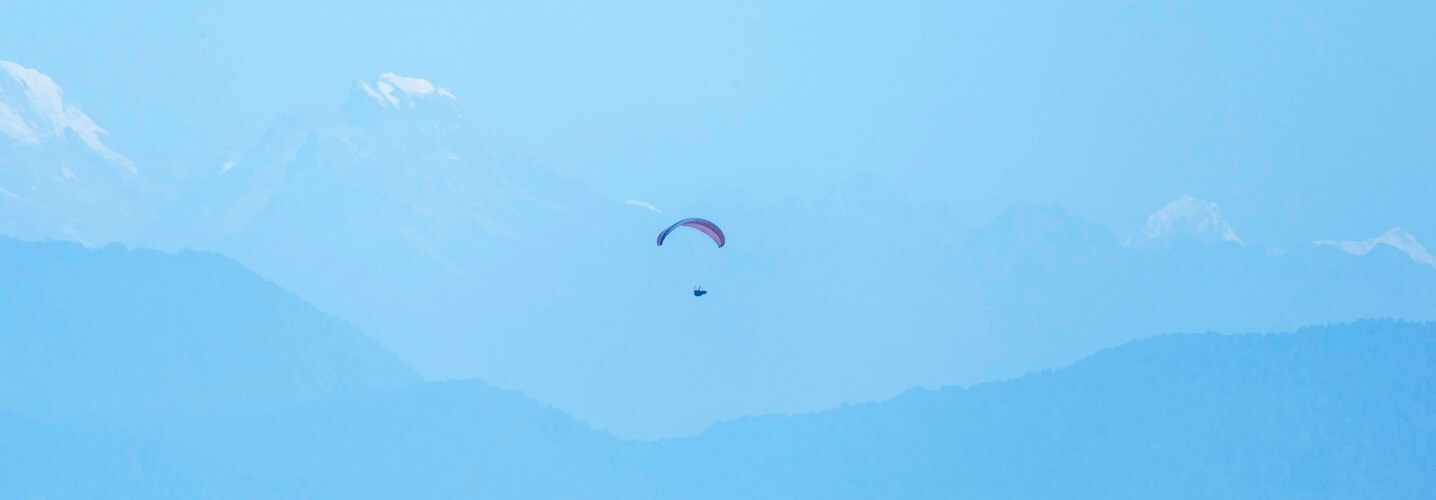
Optional activities include exploring Devi’s Fall, Gupteshwar Cave, the lively Lakeside district, spa treatments, or adventure sports like paragliding. End the day with a lakeside dinner and sunset views. Overnight at Hotel Middle Path & Spa or a similar standard hotel in Pokhara.
Your adventure concludes with a scenic drive from Pokhara to Kathmandu (≈200 km, 6–7 hours) on a deluxe tourist bus. The route follows the Trishuli River, winding through verdant hills, terraced fields, and traditional villages, offering a final glimpse of Nepal’s diverse landscapes and local life.
Upon arrival in Kathmandu, relax at your hotel or explore the city’s vibrant markets and UNESCO World Heritage Sites. Overnight at Kathmandu Guest House or a similar standard hotel in Kathmandu.
As your journey through the Himalayas comes to an end, take a moment to reflect on Nepal’s stunning natural beauty, rich cultural heritage, and memorable experiences—from majestic mountain landscapes to the warm hospitality of local communities.
For a smooth departure, representatives of Himalayan Monks SP. Z O.O., operating through its local partner Jagadamba Holidays, will meet you at your hotel approximately 3.5 hours before your scheduled flight and provide a comfortable, hassle-free transfer to Tribhuvan International Airport, Kathmandu.
We sincerely thank you for choosing Himalayan Monks SP. Z O.O. and Jagadamba Holidays, and we look forward to welcoming you again on future journeys across the Himalayas and beyond.
Cost
The Cost Includes
- All transfers within Nepal are included as per itinerary
- Any domestic flight of Nepal as per trekking itinerary
- Trekking accommodation (hotel, lodge and/or tent) as per itinerary
- Small shared room with shared bathroom during trek in Nepal
- In Kathmandu and/or Pokhara: Stay at ***Hotel with breakfast
- Luggage for porters during the trek (12.5 kg/person)
- 3 meals (Breakfast, Lunch and Dinner) during the trek
- Unlimited tea or coffee for breakfast during the trek
- An English speaking guide (trekking/tour) as per Itinerary
- Travel insurance for trekking staff (guides and porters)
- All expenses of trekking staff(s) during trekking
- Includes all conservation, national park, trekking, and climbing permits
- Sightseeing / Wildlife tours if included in the itinerary
- Farewell dinner in Kathmandu before returning home
The Cost Excludes
- Single room/single tent surcharge (on request)
- Round trip/one way international flight ticket to Nepal.
- Tourist visa for Nepal (30-50 $, depending on length of stay)
- Personal Insurance (covers: Trip/flight cancellation, helicopter rescue)
- Meals (lunch, dinner) at hotels in Kathmandu, Pokhara and other cities
- Drinks (soft, hot or mineral/boiled water) during the lodge trek
- Any personal trekking and/climbing equipment for trekking in Nepal
- Hotel expenses in case of early return from trekking for any reason
- Costs due to flight cancellations & extra porters/horses during the trek
- Additional costs incurred due to any reason beyond Jagdamba’s control
- More evidence about pandemics like COVID-19 if needed in the future.
- Personal expenses during the trek (phone, wifi, shower, charging etc.)
- Other costs and things that are not mentioned in the service inclusion
- Gratuity for trekking staff (recommended: 9€ /10$ per traveler per day)
Frequently Asked Questions (FAQs)
Annapurna Base Camp is a Grade B or a moderately difficult trekking route. So any fit person can do this trek, even if you do not have any previous experience. You should be aware of what to expect and mentally prepare for it. Then, as long as you will too, you can.
On average, you walk about 4 to 6 hours per day. One or two days can be as less as 3hrs and one or two days can be as long as 7hrs.
The highest altitude reached is 4190m. This is the elevation of Annapurna Base Camp. ABC is the highest we will climb in this trek.
Yes, you can charge batteries en route. Charger should be brought. There are hot shower facilities as well. You may have to pay a certain amount for both ($1-$2). Negotiate. Also, a hot water facility could be free at a lower elevation.
No. There are no ATMs on this trek route. You will have to draw enough cash in Pokhara or Kathmandu. There are a number of ATMs in these cities. Everything is paid in Nepali rupees. So money should be exchanged before the start of the trek.
Yes. The Internet can be accessed in most places. Sometimes, there might be some technical problems. The Internet in Nepal is not as fast as you are used to and at times you can just lose connection.
Not really. It depends on you. If you want, ABC trekking can be done independently. You could hire a guide and a porter by yourself instead of going through an agency or not hire a guide at all. Although, not having a guide can be a little problematic during the offseason.
It really depends on you. Is it your first time in Nepal? How confident are you of being able to find your way around? How pressed on time are you? If you go through an agency, it will be costlier but everything will be planned. You will only have to come, trek and return.
For the Annapurna region, pay for guides range from $20 to $30 per day and porters take $15 to $25 per day.