
Mundhum Trail Trek Nepal

14 Days

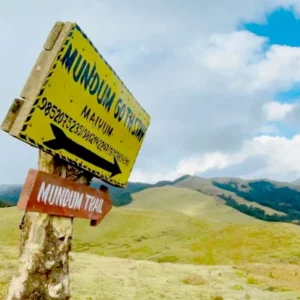
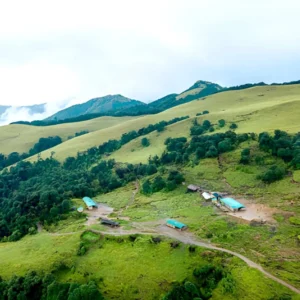
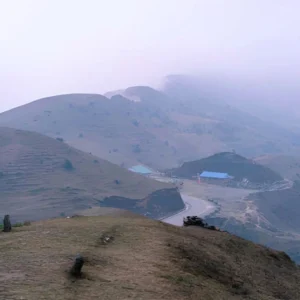
The Mundhum Trail Trek Nepal offers a remarkable cultural and scenic adventure through the remote eastern hills of Nepal, following an approximately 80 km ridge route through the ancestral homeland of the Kirat people. Beginning at Chakhewa Bhanjyang, the journey continues through Dhotre, Maiyung, Hyakule, Rawa Dhap, Nikas, and Salpa Bhanjyang, before reaching the sacred Salpa Pokhari (3,672 m) and Silichung Peak (4,153 m). Along the way, trekkers encounter traditional Kirat settlements, rhododendron forests, alpine meadows, sacred landscapes, and the living Mundhum tradition rooted in ancestral beliefs, rituals, and cultural heritage. The trail offers remarkable views of Mount Everest, Lhotse, Makalu, and Kanchenjunga, while the peaceful landscapes and community-based tourism provide an authentic experience far from Nepal’s busy trekking routes. This unforgettable Mundhum Trail Trek Nepal combines indigenous culture, spirituality, natural diversity, and breathtaking Himalayan scenery, offering a meaningful journey through one of eastern Nepal’s most distinctive cultural trekking destinations with Monkvana.

ℹ️ Price Information

The displayed price is per person, based on a typical group size of 5–8 travellers. The final price may vary depending on your selected departure date and group size. Please see the Scheduled Departures & Group Discounts section below for available departure dates and applicable group rates.

  • Kathmandu
  • Kathmandu
  • Car, Flight
  • Hotel & Lodge
  • 4,153 Meters
  • Spring & Autumn
  • 3 Meals a Day
  • Included
  • HMT-276
  • 2-16 People
  • Nepali Guide
  • English | German
  • Tea House Trek

Trip Overview

The Mundhum Trail Trek is an immersive journey through the eastern hills of Nepal, combining Kirat culture, traditional mountain communities, sacred landscapes, rhododendron forests, and panoramic Himalayan scenery. Away from Nepal’s busy trekking corridors, the route follows quiet ridges and rural trails through the ancestral landscapes of the Kirat people, offering a close look at the cultural traditions and natural beauty of eastern Nepal.

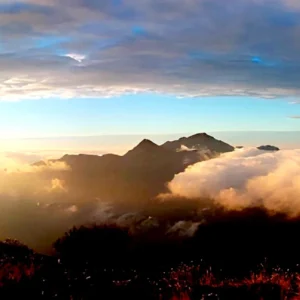
The trek begins around Chakhewa Bhanjyang and gradually crosses scenic ridges through Dhotre, Maiyung, Hyakule, Rawa Dhap, Nikas, and Salpa Bhanjyang. As the elevation increases, the surroundings change from cultivated hills and forests to open grasslands and alpine terrain. The journey reaches Salpa Pokhari (3,672 m), a sacred mountain lake, before continuing toward Silichung Peak (4,153 m), the highest point of the trail, where clear weather can reveal impressive views toward Everest, Lhotse, Makalu, and Kanchenjunga.

Culture remains an important part of the experience throughout the trek. The Mundhum, the oral tradition of the Kirat communities, carries ancestral stories, rituals, beliefs, and knowledge closely connected with nature and the spiritual world. Encounters with traditional villages, local customs, community life, and seasonal cultural activities add depth to the mountain journey. With its combination of indigenous heritage, peaceful ridge trails, sacred sites, diverse landscapes, and Himalayan views, the Mundhum Trail Trek offers a distinctive way to discover eastern Nepal.

Why Choose the Mundhum Trail Trek?

The Mundhum Trail Trek offers a quieter alternative to Nepal’s established trekking routes. Its combination of Kirat heritage, ridge walking, mountain scenery, sacred sites, and rural communities creates a varied trekking experience.

The trail is particularly appealing to travelers interested in experiencing eastern Nepal beyond its major mountain destinations. Traditional villages, forests, high ridges, and Himalayan viewpoints make each section of the journey different.

Journey Through Kirat Heritage

The cultural character of the trail is closely connected with the Kirat communities of eastern Nepal. Their traditions, ancestral stories, rituals, and relationship with the natural landscape remain an important part of local life.

The Mundhum is traditionally passed down through generations as an oral cultural heritage. During the trek, travelers can gain a deeper understanding of this tradition through local communities, sacred places, cultural practices, and village life.

Ridge Trails and Changing Mountain Landscapes

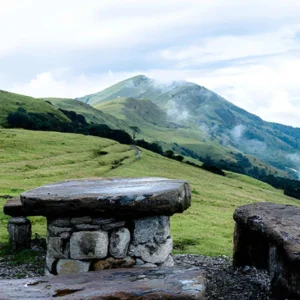
Much of the Mundhum Trail follows mountain ridges, creating a different trekking experience from routes that mainly follow river valleys. The trail rises and falls across forests, open hillsides, meadows, and high mountain terrain.

Lower sections feature cultivated landscapes and settlements, while higher areas become more open and alpine. During clear weather, the ridges provide broad views across the eastern hills toward the Himalayan ranges.

Salpa Pokhari – A Sacred Himalayan Lake

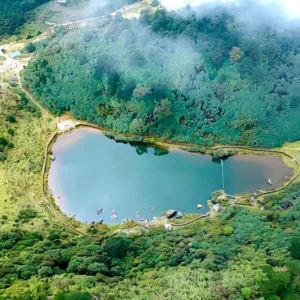
Salpa Pokhari (3,672 m) is one of the most significant natural and cultural landmarks along the Mundhum Trail. Surrounded by high mountain landscapes, the lake holds spiritual importance for local communities and is also visited by pilgrims.

The peaceful setting, alpine surroundings, and cultural significance make Salpa Pokhari one of the memorable stops of the trek. The area also contributes to the spiritual character for which the Mundhum Trail is increasingly recognized.

Silichung Peak – The Highest Point

At approximately 4,153 m, Silichung Peak is the highest point of the Mundhum Trail Trek. The approach takes trekkers into more rugged and open mountain terrain, adding a rewarding adventure element to the cultural journey.

On clear days, the high ridges around Silichung can provide views toward Mount Everest, Lhotse, Makalu, and Kanchenjunga. The summit experience combines high-altitude scenery with the peaceful atmosphere of this remote part of eastern Nepal.

Villages and Local Community Life

The Mundhum Trail passes through traditional villages and rural settlements where agriculture, livestock, local traditions, and community life remain closely connected. The relatively quiet nature of the region allows travelers to experience a more authentic rural atmosphere.

Depending on the itinerary, accommodation may include local lodges, homestays, or camping, allowing trekkers to spend time within communities and support locally operated tourism services.

Forests, Flora and Mountain Scenery

The trail crosses a variety of natural environments, including rhododendron forests, temperate woodland, grasslands, cultivated hills, and alpine landscapes. Spring brings colorful rhododendron blooms to many forested sections of the route.

Birdlife and other Himalayan wildlife can also be encountered along the trail, although sightings are naturally dependent on season and location. The peaceful forests and open ridges make the route attractive to nature lovers and photographers.

Mundhum Culture and Spiritual Traditions

Mundhum represents an important body of Kirat oral heritage, preserving stories, beliefs, rituals, ancestral knowledge, and cultural values. Its connection with nature gives the trekking route a strong spiritual dimension.

Cultural experiences may include traditional music, dances, rituals, local celebrations, and other community practices. Sakela Ubhauli and Udhauli are among the important Kirat cultural celebrations associated with the region, although participation or observation depends on the trekking season.

Community-Based Tourism

Tourism along the Mundhum Trail provides opportunities to support local communities and small tourism businesses in eastern Nepal. Homestays, local accommodation, guides, food services, and community facilities contribute to the developing trekking infrastructure.

The trail received additional attention through the 2025 Mundhum Trail Visit Year initiative, which promoted cultural and nature-based tourism and encouraged improvements to local facilities. These developments have contributed to the trail’s growing recognition as an emerging destination.

Historical Connection with Everest Expeditions

Some sections of the eastern Nepal route are associated with historical approaches used during early Everest expeditions. This adds another layer of interest for travelers exploring the region.

Today, the trail offers a combination of indigenous heritage and mountain history, connecting traditional eastern communities with the wider story of Himalayan exploration.

Mundhum Trail Trek Difficulty

The Mundhum Trail Trek is generally considered moderate, but its repeated ridge climbs and descents require good physical preparation. The higher sections around Salpa Pokhari and Silichung Peak also require careful acclimatization.

Regular walking, cardiovascular exercise, and preparation for consecutive trekking days can help travelers manage the route comfortably. Weather and trail conditions should also be considered when planning the trek.

How Long Does the Mundhum Trail Trek Take?

The trekking duration depends on the selected route, transportation arrangements, walking pace, acclimatization, and time spent exploring local communities.

A shorter itinerary may be suitable for experienced Nepali trekkers, while international travelers may prefer around 12–13 days for a more gradual journey with additional time for acclimatization and cultural exploration.

Best Time for Mundhum Trail Trek

The main trekking seasons are spring and autumn. Spring is particularly attractive for rhododendron forests and pleasant mountain landscapes, while autumn generally offers stable conditions and clear Himalayan views.

Winter can bring colder temperatures and snow at higher elevations, while the monsoon season may bring rain, clouds, and muddy trails. Seasonal conditions should be considered when selecting departure dates.

Accommodation on the Mundhum Trail

Accommodation is more basic and locally oriented than on Nepal’s major trekking routes. Depending on the section and itinerary, trekkers may stay in homestays, local lodges, community facilities, or tented camps.

Facilities can be simple in remote areas, making the Mundhum Trail suitable for travelers who value cultural interaction and wilderness experience over luxury accommodation.

Meals During the Trek

Meals generally consist of simple, filling local dishes such as dal bhat, rice, noodles, vegetables, potatoes, eggs, soups, bread, and other available meals.

Food choices become more limited in remote sections. Where camping is required, meals can be prepared by the trekking cooking team and served at camp.

Permits and Guide

The permits required depend on the final itinerary and the areas covered by the trek. Travelers should arrange the necessary trekking permits and local permissions through a registered trekking agency before departure.

Because the Mundhum Trail includes remote and less-developed sections, traveling with an experienced local guide is useful for navigation, accommodation arrangements, cultural interpretation, and changing trail conditions.

Who Is the Mundhum Trail Trek Suitable For?

The trek is well suited to travelers who enjoy cultural experiences, remote mountain trails, traditional villages, nature, and less-crowded trekking destinations.

It is especially attractive for those looking for an alternative to Nepal’s more established trekking routes and who want to combine Himalayan scenery with a deeper experience of eastern Nepal’s indigenous heritage.

Trip Highlights

  • Explore the ancestral landscapes of the Kirat communities, discovering their traditions, villages, and spiritual connection with nature.
  • Experience Mundhum culture and traditional village life, learning about ancestral stories, rituals, beliefs, and local customs.
  • Walk across peaceful mountain ridges, forests, and open hills, enjoying quiet trails and changing Himalayan landscapes throughout the trek.
  • Visit sacred Salpa Pokhari at 3,672 m, a serene alpine lake surrounded by mountain scenery and important Kirat spiritual heritage.
  • Climb Silichung Peak at 4,153 m, the highest point of the trail, for an adventurous high-altitude experience and panoramic mountain views.
  • Enjoy views of Everest, Lhotse, Makalu, and Kanchenjunga from the high ridges and summit areas in clear-weather conditions.
  • Walk through colorful rhododendron forests in spring, when the hills come alive with vibrant blooms and beautiful Himalayan scenery.
  • Experience local homestays and community-based tourism, connecting with rural communities while supporting locally operated trekking services.
  • Discover an emerging trekking destination in eastern Nepal, combining remote trails, Kirat heritage, sacred sites, and Himalayan views.

Tour Itinerary

  • Day
    01

    Arrival in Kathmandu – Airport Pickup & Hotel Transfer

    Upon arrival at Tribhuvan International Airport in Kathmandu, you will be warmly welcomed by a representative of Monkvana | Himalayan Monks Sp. z o.o., operating through its local partner, Jagdamba Holidays. Our representative will be waiting with an official Monkvana sign and a traditional marigold garland to welcome you to Nepal.

    You will then be transferred by private vehicle to your hotel. For late-night arrivals, transportation will be arranged according to your arrival time.

    Your representative will also provide information about the tour briefing and group meeting. During the briefing, we will review your travel plans and included services and introduce you to your trekking or tour guide.

    Before the journey begins, all participants will complete the required travel and liability forms. Any outstanding tour balance should also be settled during the meeting.

    45 minute
    Breakfast
    Hotel Kailash Kutee
  • Day
    02

    Drive from Kathmandu to Diktel Bazar, Khotang

    After breakfast at your hotel in Kathmandu, begin the Mundhum Trail Trek Nepal with a scenic drive to Diktel Bazaar (1,650 m) via Banepa, Khurkot, and Halesi. The journey passes through river valleys, agricultural areas, traditional settlements, and increasingly remote hill landscapes of eastern Nepal. The drive covers approximately 252 km and takes around 8–9 hours, depending on road and traffic conditions.

    Lunch will be arranged at a suitable restaurant along the journey, according to your needs and appetite. The drive continues through changing landscapes and rural settlements before reaching Diktel Bazaar, the administrative and commercial centre of Khotang.

    Upon arrival in Diktel Bazaar, check in at a local lodge and settle into your twin-sharing room with a shared bathroom. You can relax and enjoy the evening in Diktel Bazaar while preparing for the journey towards Chakhewa Bhanjyang. Breakfast and dinner are included at the lodge.

    9 hour
    Breakfast + Lunch + Dinner
    Tea House
  • Day
    03

    Trek from Diktel Bazar to Chakhewa

    After breakfast at the lodge in Diktel Bazar (1,650 m), continue by road to Chakhewa (2,300 m), the starting point of the walking section of the Mundhum Trail Trek. The journey covers approximately 40 km and takes around 4 hours, travelling through increasingly mountainous landscapes, remote hills, and traditional Rai and Kirati settlements.

    Lunch will be arranged at a suitable restaurant along the journey, according to your needs and appetite. As the road climbs towards Chakhewa Bhanjyang, the surroundings become quieter and more rural, offering views of the eastern Nepalese hills and traditional village landscapes.

    Upon arrival at Chakhewa, check in at a local teahouse or homestay and settle into your accommodation. Take time to rest and prepare for the first walking day of the Mundhum Trail. Breakfast, lunch, and dinner are included at the teahouse or homestay.

    7 hour
    Breakfast + Dinner
    Tea House
  • Day
    04

    Trek from Chakhewa to Dhotre

    After breakfast at the tea house or homestay in Chakhewa (2,300 m), begin the trek towards Dhotre (2,752 m). The trail passes through rhododendron, pine, and oak forests, open ridges, grazing areas, and traditional mountain landscapes. Along the way, you can enjoy views of the surrounding hills and may encounter yak and sheep grazing in the open pastures.

    The trek takes approximately 5–6 hours, following a combination of forested trails, open sections, and mountain ridges. The changing landscapes and quiet surroundings provide a gradual introduction to the walking section of the Mundhum Trail. Lunch will be arranged at a suitable restaurant along the journey, according to your needs and appetite.

    Upon arrival in Dhotre (2,752 m), check in at a local teahouse and settle into your accommodation. The facilities are simple and locally operated, reflecting the remote character of the trail. Dinner and locally prepared meals are provided according to the facilities available at the teahouse.

    6 hour
    Breakfast + Lunch + Dinner
    Tea House
  • Day
    05

    Trek from Dhotre to Maiyung

    After breakfast at the local teahouse in Dhotre (2,752 m), begin the trek towards Maiyung (3,333 m). The trail passes through pine, oak, and rhododendron forests, open meadows, scenic ridges, and peaceful mountain landscapes. Along the way, you will pass Maiyung Danda viewpoint (approximately 3,333 m), where clear weather may offer views towards Kanchenjunga, Makalu, and Lhotse.

    The trek covers approximately 11–13 km and takes around 6–7 hours, following forested trails, open sections, and scenic ridgelines. The changing vegetation and elevated viewpoints provide a varied walking experience along the Mundhum Trail. Lunch will be arranged at a suitable restaurant along the journey, according to your needs and appetite.

    Upon arrival in Maiyung (3,333 m), check in at a local teahouse or homestay and settle into your accommodation. Enjoy the peaceful surroundings and locally prepared meals before resting for the evening. Dinner and locally prepared meals are provided according to the facilities available at the teahouse or homestay.

    7 hour
    Breakfast + Lunch + Dinner
    Tea House
  • Day
    06

    Trek from Maiyung to Rawa Dhap

    After breakfast at the local teahouse or homestay in Maiyung (3,333 m), continue the trek towards Rawa Dhap (3,426 m). The trail follows scenic ridges through forests, open landscapes, grazing areas, and traditional settlements. Along the way, you can experience the cultural landscape of the Kirati people and learn about Mundhum mythology, which is closely connected with the sacred places and traditions of the route.

    The trek covers approximately 10–12 km and takes around 5–6 hours, with a mixture of forested sections, open ridges, and peaceful mountain landscapes. The trail provides opportunities to observe the traditional way of life and cultural heritage of the communities along the Mundhum Trail. Lunch will be arranged at a suitable restaurant along the journey, according to your needs and appetite.

    Upon arrival in Rawa Dhap (3,426 m), check in at a local teahouse or homestay and settle into your accommodation. Enjoy the peaceful mountain surroundings and take time to rest after the day's trek. Dinner and locally prepared meals are provided according to the facilities available at the teahouse or homestay.

    6 hour
    Breakfast + Lunch + Dinner
    Tea House
  • Day
    07

    Trek from Rawa Dhap to Salpa Bhanjyang

    After breakfast at the local teahouse or homestay in Rawa Dhap (3,426 m), continue the trek towards Salpa Bhanjyang (3,348 m). The trail passes through forests, open alpine meadows, traditional villages, and scenic ridges associated with Mundhum cultural and pilgrimage traditions. The route combines peaceful mountain landscapes with the cultural heritage of the communities along the trail.

    The trek covers approximately 12–13 km and takes around 6–7 hours, following a mixture of forest trails, ridge sections, ascents, and descents. The changing landscapes and elevated ridges offer a varied walking experience as you approach Salpa Bhanjyang. Lunch will be arranged at a suitable restaurant along the journey, according to your needs and appetite.

    Upon arrival at Salpa Bhanjyang (3,348 m), check in at a local teahouse or homestay and settle into your accommodation. Enjoy a simple local dinner and rest in preparation for the following day's Silichung Peak excursion. Dinner and locally prepared meals are provided according to the facilities available at the teahouse or homestay.

    7 hour
    Breakfast + Lunch + Dinner
    Tea House
  • Day
    08

    Explore Salpa Lake & Silichung Peak

    After an early breakfast at the local teahouse or homestay in Salpa Bhanjyang (3,348 m), begin the day's excursion towards Salpa Lake and Silichung Peak (4,153 m), the highest point of the Mundhum Trail. The route follows alpine terrain, open ridges, and scenic mountain landscapes, with clear-weather views towards Chamlang, Makalu, Kanchenjunga, and Everest. The trail also passes through the sacred landscape surrounding Salpa Lake, an important natural and cultural landmark along the route.

    The excursion takes approximately 6–7 hours, including the hike to Silichung Peak, time to explore the surroundings, and the return journey to Salpa Bhanjyang. The higher sections require greater effort due to the altitude and terrain. A picnic lunch will be arranged during the hike, according to your needs and appetite.

    After exploring Salpa Lake and reaching Silichung Peak (4,153 m), descend to Salpa Bhanjyang and return to the same local teahouse or homestay. Take time to relax and enjoy the peaceful mountain surroundings after the day's excursion. Dinner and locally prepared meals are provided according to the facilities available at the teahouse or homestay.

    7 hour
    Breakfast + Lunch + Dinner
    Tea House
  • Day
    09

    Trek from Salpa Bhanjyang to Hyakule

    After breakfast at the local teahouse or homestay in Salpa Bhanjyang (3,350 m), begin the descent towards Hyakule (2,972 m). The trail passes through forests, open farmland, cultivated hills, and traditional settlements, with the landscape gradually changing as you descend from the higher alpine terrain. Along the route, you will encounter Rai, Limbu, and other Kirati communities, offering an opportunity to experience the local culture and way of life.

    The trek takes approximately 5–6 hours, following a combination of forest trails, cultivated hillsides, and village paths. The gradual descent brings warmer temperatures and increasingly settled landscapes as you continue towards Hyakule. Lunch will be arranged at a suitable restaurant along the journey, according to your needs and appetite.

    Upon arrival in Hyakule (2,972 m), check in at a local teahouse or homestay and settle into your accommodation. Enjoy the peaceful surroundings and a locally prepared dinner before resting for the night. Dinner and locally prepared meals are provided according to the facilities available at the teahouse or homestay.

    6 hour
    Breakfast + Lunch + Dinner
    Tented Camps
  • Day
    10

    Trek from Hyakule to Hans Pokhari

    After breakfast at the local teahouse or homestay in Hyakule (2,975 m), continue the trek towards Hans Pokhari (2,962 m). The trail passes through terraced rice fields, forests, streams, and traditional Rai and Limbu villages, providing a closer look at the rural landscapes and communities of eastern Nepal. Along the way, you may also encounter a variety of local birdlife.

    The trek covers approximately 10 km and takes around 4–5 hours, following relatively gentle terrain with gradual ascents and descents. The route offers a relaxed walking experience through cultivated hillsides, forested sections, and traditional settlements. Lunch will be arranged at a suitable restaurant along the journey, according to your needs and appetite.

    Upon arrival in Hans Pokhari (2,962 m), check in at a local teahouse or homestay and settle into your accommodation. Enjoy the peaceful rural surroundings and take time to rest after the day's walk. Dinner and locally prepared meals are provided according to the facilities available at the teahouse or homestay.

    5 hour
    Breakfast + Lunch + Dinner
    Tea House
  • Day
    11

    Trek from Hans Pokhari to Bhojpur via Suntale

    After breakfast at the local teahouse or homestay in Hans Pokhari (2,962 m), begin the final trekking section towards Bhojpur (1,600 m) via Maiyung, Pakhuwa Bhanjyang, and Suntale (2,430 m). The trail descends through forests, farmland, traditional villages, and cultivated hills, gradually leaving the remote Mundhum ridges and entering the more settled landscapes around Bhojpur.

    The trek takes approximately 8–9 hours, following a combination of forest trails, village paths, and cultivated hillsides with a gradual descent towards Bhojpur. The changing landscapes reflect the transition from the higher mountain environment to the agricultural and settled areas of eastern Nepal. Lunch will be arranged at a suitable restaurant along the journey, according to your needs and appetite.

    Upon arrival in Bhojpur (1,600 m), check in at a comfortable local lodge or teahouse and settle into your accommodation. Enjoy the evening exploring or relaxing in this historic town, known for its traditional Khukuri craftsmanship and cultural heritage. Dinner and locally prepared meals are provided according to the facilities available at the lodge or teahouse.

    6 hour
    Breakfast + Lunch + Dinner
    Tea House
  • Day
    12

    Drive to Tumlingtar & Fly to Kathmandu

    After an early breakfast at the local lodge or teahouse in Bhojpur (1,600 m), begin the journey by private vehicle from Bhojpur to Tumlingtar. The drive takes approximately 3 hours, passing through rural settlements, cultivated hills, forests, and scenic landscapes of eastern Nepal. Upon arrival at Tumlingtar Airport, complete the airport formalities for your domestic flight to Kathmandu.

    The flight from Tumlingtar to Kathmandu takes approximately 45 minutes, subject to flight schedules and weather conditions. Lunch will be arranged according to your arrival time and needs. The flight provides a convenient return from eastern Nepal to the Kathmandu Valley, marking the end of the trekking section of the Mundhum Trail.

    Upon arrival in Kathmandu, transfer to Hotel Kailash Kutee and check in. Accommodation is provided in a twin-sharing room with a private bathroom, with breakfast included. The remainder of the day is free for leisure and relaxation, allowing you to rest after the journey or explore Kathmandu at your own pace.

    4 hour
    Breakfast
    Hotel Kailash Kutee
  • Day
    13

    Buffer Day in Kathmandu & Optional Sightseeing

    This day is reserved as a buffer day in Kathmandu in case your scheduled flight from Tumlingtar to Kathmandu is delayed or cancelled due to unfavorable weather or other operational conditions. Flights from remote mountain regions of Nepal can be affected by changing weather, so keeping an additional day provides flexibility and helps avoid disruptions to your international departure schedule.

    If your flight operates as scheduled and you arrive in Kathmandu on the previous day, you can enjoy this additional day at your own pace. If you wish to explore the cultural and historical heritage of the Kathmandu Valley, a full-day optional sightseeing tour can be arranged at short notice through our trusted local partner company. The tour may include Bhaktapur Durbar Square, Boudhanath Stupa, and Pashupatinath Temple, offering an opportunity to experience UNESCO World Heritage sites, ancient architecture, Buddhist and Hindu traditions, temples, courtyards, and local cultural life.

    Alternatively, you may enjoy a relaxed day at the hotel, explore Thamel, shop for souvenirs, or simply rest before your international departure. Overnight at Hotel Kalash Kutee in a twin-sharing room with a private bathroom. Breakfast is included.

    6 hour
    Breakfast
    Hotel Kailash Kutee
  • Day
    14

    Farewell – Airport Transfer & Departure

    As your Himalayan journey comes to an end, take a moment to reflect on Nepal’s stunning natural beauty, rich cultural heritage, and unforgettable experiences—from majestic mountain landscapes to the warm hospitality of local communities.

    For a smooth departure, a representative of Monkvana | Himalayan Monks Sp. z o.o., operating through its local partner Jagdamba Holidays, will meet you at your hotel approximately 3.5 hours before your scheduled flight and provide a comfortable transfer to Tribhuvan International Airport, Kathmandu.

    Thank you for choosing Monkvana | Himalayan Monks Sp. z o.o. and Jagdamba Holidays. We look forward to welcoming you again on future journeys across the Himalayas and beyond.

    45 minute
    Breakfast
    None

Cost Includes

  • All transfers within Nepal are included as per itinerary
  • Any domestic flight of Nepal as per trekking itinerary
  • Trekking accommodation (hotel, lodge and/or tent) as per itinerary
  • Small shared room with shared bathroom during trek in Nepal
  • In Kathmandu and/or Pokhara: Stay at ***Hotel with breakfast
  • Luggage for porters during the trek (12.5 kg/person)
  • 3 meals (Breakfast, Lunch and Dinner) during the trek
  • Unlimited tea or coffee for breakfast during the trek
  • An English speaking guide (trekking/tour) as per Itinerary
  • Travel insurance for trekking staff (guides and porters)
  • All expenses of trekking staff(s) during trekking
  • Includes all conservation, national park, trekking, and climbing permits
  • Sightseeing / Wildlife tours if included in the itinerary
  • Farewell dinner in Kathmandu before returning home

Cost Excludes

  • Single room/single tent surcharge (on request)
  • Round trip/one way international flight ticket to Nepal.
  • Tourist visa for Nepal (30-50 $, depending on length of stay)
  • Personal Insurance (covers: Trip/flight cancellation, helicopter rescue)
  • Meals (lunch, dinner) at hotels in Kathmandu, Pokhara and other cities
  • Drinks (soft, hot or mineral/boiled water) during the lodge trek
  • Any personal trekking and/climbing equipment for trekking in Nepal
  • Hotel expenses in case of early return from trekking for any reason
  • Costs due to flight cancellations & extra porters/horses during the trek
  • Additional costs incurred due to any reason beyond Jagdamba’s control
  • More evidence about pandemics like COVID-19 if needed in the future.
  • Personal expenses during the trek (phone, wifi, shower, charging etc.)
  • Other costs and things that are not mentioned in the service inclusion
  • Gratuity for trekking staff (recommended: 9€ /10$ per traveler per day)

Frequently Asked Questions (FAQs)

Do I need a visa to travel to Nepal?

Yes. Most travelers require a Nepal tourist visa, which can be obtained on arrival at Tribhuvan International Airport (Kathmandu) or from a Nepalese embassy in advance.

What documents are required for a Nepal visa on arrival?

You need a passport valid for at least 6 months, one passport-size photo, a completed visa application form, and the visa fee (USD cash recommended).

Are international flights to Nepal included in the package?

No. International flights are not included in the package price. We can advise on airlines and recommended arrival times.

Which airport do international flights arrive at in Nepal?

All international flights arrive at Tribhuvan International Airport (KTM) in Kathmandu.

Is airport pickup provided in Kathmandu?

Yes. Airport transfers are included. Our representatives will welcome you at the airport with a company placard and assist with hotel transfer.

What is the Gokyo Lakes Trek?

The Gokyo Lakes Trek is a breathtaking Himalayan journey in Nepal’s Everest region, famous for its turquoise glacial lakes and stunning mountain views.

Is the Gokyo Lakes Trek suitable for beginners?

Yes, the Gokyo Lakes Trek is suitable for beginners with good physical fitness and proper acclimatization, but it is more challenging than lower-altitude treks.

What is the difficulty level of this trip?

The overall difficulty is moderate, involving 5–8 hours of trekking per day and Grade II–III rafting.

What is the best time to do the Gokyo Lakes Trek?

The best time to do the Gokyo Lakes Trek is during spring (March–May) and autumn (September–November), when the weather is stable and mountain views are crystal clear.

How is altitude sickness managed during the trek?

The itinerary includes gradual altitude gain, acclimatization days, and monitoring by experienced guides to minimize altitude-related issues.

What type of accommodation is provided?

Accommodation on the Gokyo Lakes Trek is mainly in teahouses (mountain lodges), offering simple yet comfortable rooms with twin beds, shared bathrooms, and warm blankets.
Meals are served in a common dining area, and facilities become more basic as altitude increases.

Are meals included during the trek?

Yes, meals are included during the Gokyo Lakes Trek, typically covering breakfast, lunch, and dinner each day while on the trail.
Meals are served at teahouses and usually include a mix of Nepali, Tibetan, and basic Western dishes to keep you energized at high altitude.

Do I need special trekking equipment?

No technical equipment is required. Basic trekking gear is sufficient, and all equipment is provided.

What makes the Gokyo Lakes Trek unique?

The Gokyo Lakes Trek is unique for its stunning turquoise glacial lakes, fewer crowds compared to Everest Base Camp, and the climb to Gokyo Ri, which offers panoramic views of four 8,000-meter peaks—Everest, Lhotse, Makalu, and Cho Oyu—from a single viewpoint.