
Rara Lake Trek

15 Days

The Rara Lake Trek is an extraordinary journey into one of the Hidden Gems of Nepal, exploring the remote Mugu region and the pristine landscapes surrounding beautiful Rara Lake. The trail passes through peaceful forests, traditional villages, rolling hills, and rugged mountain landscapes, offering spectacular views of turquoise waters, snow-capped peaks, and untouched wilderness. Far from Nepal’s popular trekking routes, the Rara Lake Trek Nepal provides an authentic experience of remote Himalayan nature, local culture, and peaceful mountain scenery. This unforgettable trek combines wilderness, culture, and breathtaking Nepal Himalayas with Monkvana.

ℹ️ Price Information

The displayed price is per person, based on a typical group size of 5–8 travellers. The final price may vary depending on your selected departure date and group size. Please see the Scheduled Departures & Group Discounts section below for available departure dates and applicable group rates.

  • Kathmandu
  • Kathmandu
  • Car, Flight
  • Hotel & Camping
  • 3,691 Meters
  • Spring & Autumn
  • 3 Meals a Day
  • Included
  • HMT-285
  • 2-16 People
  • Nepali Guide
  • English | German
  • Tea House Trek

Trip Overview

The Lower Dolpo Trek Nepal takes you into a remote corner of western Nepal where high mountain trails connect traditional villages, ancient monasteries, dry valleys, and dramatic Himalayan landscapes. This immersive journey follows a carefully planned route through Dunai, Tarakot, Laina Odar, Nawarpani, Dho Tarap, Tokyu, Numa La, Baga La, Phoksundo Lake, Ringmo, Chhepka, and Juphal. Along the way, you cross two major high passes—Numa La Pass and Baga La Pass—while experiencing the distinctive Tibetan-influenced culture, traditional mountain lifestyle, and extraordinary natural beauty of Lower Dolpo.

The adventure begins in Kathmandu, where you complete a guided heritage tour before receiving a trek briefing and preparing for the journey. A scenic flight takes you to Nepalgunj, followed by a flight to Juphal, the gateway to the Dolpo trekking region. From Juphal, you walk towards Dunai and gradually move deeper into Dolpa, following the Thuli Bheri River and passing through increasingly rugged mountain terrain.

Dunai to Dho Tarap: Entering Lower Dolpo

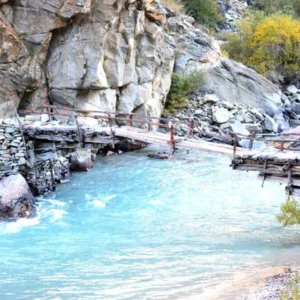
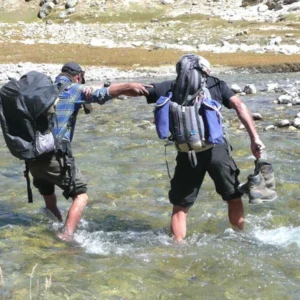
The walking section begins at Dunai, where the trail follows the river towards Tarakot. The route then continues through Laina Odar and Nawarpani, with the landscape changing as the valley rises. River crossings, steep hillsides, rocky trails, and scattered settlements create a sense of increasing distance from the developed areas of Nepal.

From Nawarpani, the trail continues towards Dho Tarap, one of the most distinctive settlements in the Dolpo region. The valley opens into a wider high-altitude landscape surrounded by dry hills and rugged mountains. Traditional houses, cultivated fields, monasteries, and local communities provide an opportunity to see how people have adapted their lives to this challenging environment.

After exploring the Dho Tarap area, the trek continues to Tokyu, where the landscape becomes increasingly open and alpine. From here, the route turns towards the south and heads across the high mountain passes leading to the Phoksundo Valley.

Numa La Pass, Baga La and Phoksundo Valley

The trail climbs from Tokyu towards the Numa La Pass, reaching approximately 5,309 m. The ascent is demanding, with altitude, steep terrain, and changing mountain conditions requiring a steady pace. From the pass, the trail descends through rugged high-altitude terrain, offering broad views across the surrounding mountains and remote valleys.

The journey then continues towards Baga La Pass, which reaches approximately 5,169 m. This is another demanding section of the Lower Dolpo route, with a challenging ascent and descent through exposed mountain landscapes. Crossing the pass provides impressive views of the surrounding Himalayan terrain before the trail gradually moves towards the greener valleys leading to Phoksundo.

From the high pass section, the route continues towards Phoksundo Lake, with the landscape changing from dry, barren mountain terrain to forested slopes, rocky cliffs, and river valleys. This transition creates one of the most memorable sections of the Lower Dolpo journey.

Phoksundo Lake and Ringmo

The trail eventually reaches Phoksundo Lake, one of the most spectacular natural landmarks of western Nepal. Surrounded by steep cliffs and rugged mountains, the lake is renowned for its distinctive blue-green water and dramatic setting within Shey-Phoksundo National Park.

Nearby Ringmo Village provides an opportunity to experience the traditional cultural character of the region. Tibetan-style houses, chortens, prayer flags, monasteries, and local traditions form an important part of the village landscape. The area around Ringmo and Phoksundo combines cultural heritage with exceptional Himalayan scenery.

The surroundings of Phoksundo also offer a striking contrast to the dry upper valleys. Forested slopes, waterfalls, rocky cliffs, streams, and the turquoise lake create a diverse landscape that makes this section particularly rewarding after the demanding high-pass crossings.

Phoksundo Lake to Chhepka and Juphal

After spending time around Phoksundo Lake and Ringmo, the route descends towards Chhepka. The landscape gradually becomes greener, with forest trails replacing much of the exposed terrain encountered at higher elevations. The descent through mountain forests and river valleys provides a welcome change after the challenging sections around Numa La and Baga La.

The trail continues through peaceful forested landscapes and remote mountain settlements before reaching Chhepka, where the lower valleys begin to feel more accessible. This section offers a quieter trekking experience, with changing vegetation, flowing rivers, and views of the surrounding hills.

From Chhepka, the final trekking section leads back towards Juphal, completing the walking portion of the Lower Dolpo adventure. From Juphal, you fly to Nepalgunj and continue to Kathmandu, subject to local flight schedules and weather conditions.

A planned buffer day in Kathmandu provides flexibility in case of flight delays and also leaves time for optional sightseeing or relaxation before your departure from Nepal.

Culture and Landscapes of Lower Dolpo

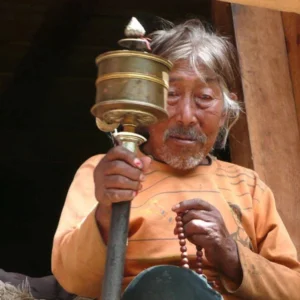
The Lower Dolpo Trek is shaped by both its natural surroundings and the people who live throughout its remote valleys. Tibetan Buddhist traditions, Bön influences, monasteries, chortens, prayer flags, traditional homes, and high-altitude farming practices can be encountered at different stages of the route.

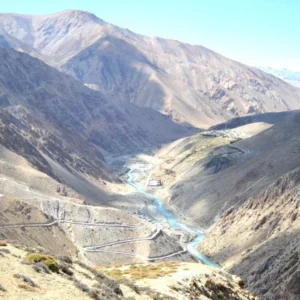
The landscape changes significantly throughout the journey. The lower river valleys around Dunai and Tarakot gradually give way to the wider high valley of Dho Tarap, the alpine terrain around Tokyu, the demanding mountain passes of Numa La and Baga La, and finally the forests and dramatic cliffs surrounding Phoksundo Lake.

The two major crossings—Numa La Pass (5,309 m) and Baga La Pass (5,169 m)—are central features of the route and add a challenging high-altitude dimension to the journey. Their remote setting and spectacular mountain surroundings make these crossings important highlights of the Lower Dolpo experience.

With its combination of remote villages, high passes, monasteries, changing mountain landscapes, and Phoksundo Lake, the Lower Dolpo Trek Nepal offers an immersive journey through one of the most distinctive trekking regions of Nepal. The route is particularly suited to travellers who want to experience remote Himalayan communities, challenging mountain trails, and landscapes far removed from Nepal’s more established trekking corridors.

From Kathmandu to Juphal and Dunai, across the valleys of Tarakot, Dho Tarap, and Tokyu, over Numa La and Baga La, and onward to Phoksundo Lake, Ringmo, Chhepka, and Juphal, every section contributes something different to the experience. The Lower Dolpo Trek Nepal brings these landscapes, cultures, and communities together in one remarkable Himalayan journey.

Trip Highlights

  • Explore Lower Dolpo Trek Nepal through remote valleys, traditional villages, ancient monasteries, and spectacular Himalayan landscapes.
  • Discover Phoksundo Lake and Ringmo, with turquoise waters, dramatic mountain scenery, Tibetan Buddhist heritage, and traditional Dolpo culture.
  • Cross Numa La Pass at 5,309 m, one of the highest and most challenging sections of the Lower Dolpo Trek in Nepal, offering breathtaking views.
  • Cross Baga La Pass at 5,169 m, experiencing rugged high-altitude terrain and impressive views across the surrounding mountains and valleys.
  • Trek through Dho Tarap and Tokyu, experiencing traditional villages, ancient culture, monasteries, and remote Himalayan landscapes.
  • Experience Shey-Phoksundo National Park, home to dramatic valleys, alpine landscapes, forests, high passes, and the famous Phoksundo Lake.
  • Follow remote trails from Tokyu towards Numa La and Baga La, crossing challenging mountain terrain on the way to the Phoksundo Valley.
  • Trek from Phoksundo Lake to Chhepka and Juphal, descending through peaceful forests, river valleys, and changing Himalayan landscapes.
  • Combine Tibetan Buddhist and Bön culture, remote Dolpo villages, high mountain passes, and Phoksundo Lake on an unforgettable Lower Dolpo Trek.

Tour Itinerary

  • Day
    01

    Arrival in Kathmandu – Airport Pickup & Hotel Transfer

    Upon arrival at Tribhuvan International Airport in Kathmandu, you will be warmly welcomed by a representative of Monkvana | Himalayan Monks Sp. z o.o., operating through its local partner, Jagdamba Holidays. Our representative will be waiting with an official Monkvana sign and a traditional marigold garland to welcome you to Nepal.

    You will then be transferred by private vehicle to your hotel. For late-night arrivals, transportation will be arranged according to your arrival time.

    Your representative will also provide information about the tour briefing and group meeting. During the briefing, we will review your travel plans and included services and introduce you to your trekking or tour guide.

    Before the journey begins, all participants will complete the required travel and liability forms. Any outstanding tour balance should also be settled during the meeting.

    45 minute
    Breakfast
    Hotel Kailash Kutee
  • Day
    02

    Guided Kathmandu Cultural Sightseeing & Trek Preparation

    After breakfast, around 9:00 AM, begin a guided cultural sightseeing tour of Kathmandu, visiting three of the valley’s most important heritage and religious sites: Swayambhunath Stupa, Boudhanath Stupa, and Pashupatinath Temple. The tour introduces you to Kathmandu’s rich Buddhist and Hindu traditions, historic architecture, and vibrant spiritual atmosphere. Entrance fees to the three monuments, approximately USD 15 in total, are payable separately and are not included in the tour cost. Your guide will assist with the entrance process during the sightseeing tour.

    After completing the sightseeing tour, return to the hotel and have lunch at your own expense, followed by some free time to relax. At around 5:30 PM, meet your trekking guide at the hotel for a detailed trek briefing. Together, you will review the trekking route, daily walking schedule, expected conditions, equipment, packing requirements, and other practical arrangements for the journey ahead.

    In the evening, you are free to enjoy dinner at your own expense and relax at the hotel. With the trek briefing completed and your equipment organized, you can rest and prepare for the start of your adventure the following morning. Overnight accommodation is provided at Hotel Kailash Kutee in a twin-sharing room with a private bathroom, with breakfast included.

    5 hour
    Breakfast
    Hotel Kailash Kutee
  • Day
    03

    Fly from Kathmandu to Nepalgunj & Explore Nepalgunj

    After breakfast, enjoy a relaxed morning at the hotel before transferring to Kathmandu Airport for your domestic flight to Nepalgunj at around 1:00 PM (13:00 hrs). The flight takes approximately 55 minutes, offering changing views from the Kathmandu Valley to the plains of the Terai. Upon arrival in Nepalgunj, transfer to Hotel Batika Nepalgunj, check in, and take some time to settle in.

    In the afternoon, explore Nepalgunj with your guide and experience the atmosphere of this vibrant Terai city near the Indian border. Depending on the available time, you may visit local markets, explore the surrounding streets, and observe the diverse cultural influences of the region. You will also have free time for lunch at your own expense and to make any final preparations for the onward journey to Juphal and Lower Dolpo.

    In the evening, return to Hotel Batika Nepalgunj and relax before the next day’s journey. Accommodation is provided in a twin-sharing room with a private bathroom, with breakfast and dinner included. Your trekking team will confirm the following day’s flight and other arrangements before you enjoy a comfortable overnight stay in Nepalgunj.

    55 minute
    Breakfast + Dinner
    4 Stars Hotel
  • Day
    04

    Fly from Nepalgunj to Juphal, Dolpo & Trek to Dunai

    After breakfast in Nepalgunj, transfer to the domestic airport for your scenic 35-minute flight to Juphal (2,475 m). The flight takes you from the lowland Terai across rolling hills, deep river valleys, and increasingly rugged landscapes toward the mountains of western Nepal. As you approach Juphal, the scenery becomes more remote and dramatic, offering a first glimpse of the Himalayan environment of Dolpo. After landing at Juphal’s small airstrip, meet your trekking crew, organize your gear, and begin the first walking stage of your Lower Dolpo Trek toward Dunai (2,140 m).

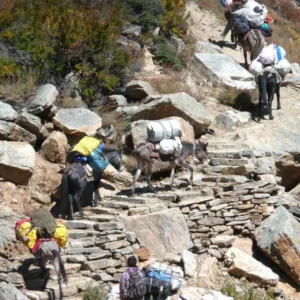
    The Juphal to Dunai trek covers approximately 12 km and takes 4–5 hours, with around 180 m of ascent and 660 m of descent. The trail passes through cultivated terraces, traditional villages, pine forests, and along the Thuli Bheri River, with views of local homes, prayer wheels, and mani walls reflecting the region’s Tibetan-influenced culture. Lunch will be arranged by your guide at a suitable location during the trek, depending on the day’s activities and your convenience.

    Upon arrival in Dunai, the administrative and commercial centre of Dolpa District, check in at Hotel Murmur or a similar standard hotel. Accommodation is provided in a twin-sharing room with a private bathroom, with dinner and breakfast included. In the evening, your guide and cook will organize the camping equipment and prepare the loads for transport by mule or horse, ensuring everything is ready for an early start toward Tarakot the following morning.

    5 hour
    Breakfast + Lunch + Dinner
    2 Stars Hotel
  • Day
    05

    Trek from Dunai to Tarakot – Gateway to Tarap Valley

    After breakfast in Dunai, begin today’s trek to Tarakot (2,540 m), following the scenic Thuli Bheri River through the heart of Lower Dolpo. The trail winds past cultivated terraces, pine forests, suspension bridges, and traditional Dolpo villages, where stone and mud-brick houses reflect the region’s rich Tibetan-influenced culture. Walking beside the river and through peaceful mountain landscapes, you will experience the authentic beauty and traditional lifestyle of one of Nepal’s most remote trekking regions.

    The trek from Dunai to Tarakot (2,540 m) covers approximately 17 km and takes around 6–7 hours, with about 730 m of ascent and 110 m of descent. The trail offers a gradual and enjoyable day of trekking in Nepal, while allowing for continued acclimatization. Along the way, the scenery changes from fertile riverbanks to dramatic gorges and rugged hills, making this one of the scenic sections of the Lower Dolpo Trek. Lunch will be arranged by your guide at a suitable location during the trek, depending on the day’s activities and convenience.

    By late afternoon, arrive at historic Tarakot Village, a settlement of cultural and historical significance that once flourished along the ancient Himalayan salt trading route. Surrounded by majestic mountain landscapes, Tarakot offers a fascinating glimpse into Dolpo’s unique heritage and traditional way of life. After settling into camp, enjoy a freshly prepared meal and relax in the peaceful mountain surroundings. Overnight at a fully supported expedition campsite in a two-person high-quality sleeping tent, with a separate dining tent and freshly prepared meals provided by your trekking crew.

    7 hour
    Breakfast + Lunch + Dinner
    Tented Camps
  • Day
    06

    Trek from Tarakot to Laina Odar

    After breakfast in Tarakot, begin today’s trek to Laina Odar (3,370 m), following the winding trails of the Thuli Bheri River through the heart of Lower Dolpo. The route passes through the fertile Tichurong Valley, crossing suspension bridges, small streams, and traditional villages surrounded by terraced fields. Continuing through fragrant pine and fir forests, the trail crosses the Yalankot River before gradually ascending beneath towering cliffs. A short descent then leads to the confluence of the Bharbung Khola and Tarap Khola, where the route follows the Tarap Khola north into the spectacular Tarap Gorge. Towering rock walls, rushing glacial waters, and dramatic canyon scenery make this one of the most impressive sections of the Lower Dolpo Trek.

    The trek from Tarakot to Laina Odar (3,370 m) covers approximately 14 km and takes around 6–7 hours, with about 1,040 m of ascent and 430 m of descent. Although the climb becomes more noticeable, the trail follows a steady pace, allowing for gradual acclimatization as you venture deeper into the remote valleys of Dolpo. Along the way, you will experience an ever-changing landscape of fertile riverbanks, dense pine and fir forests, narrow gorges, rocky cliffs, and pristine mountain scenery before reaching the higher valleys of Lower Dolpo. Lunch will be arranged by your guide at a suitable location during the trek, depending on the day’s activities and convenience.

    By late afternoon, arrive at Laina Odar, also known as Lahini Odar, a peaceful resting place beneath a massive natural rock overhang beside the Tarap Khola. Surrounded by towering cliffs, pristine forests, and the soothing sound of the river, this remote campsite offers an unforgettable wilderness experience in the heart of Dolpo. After settling into camp, enjoy a freshly prepared meal and relax in the peaceful surroundings. Overnight at a fully supported expedition campsite in a high-quality two-person sleeping tent, with a separate dining tent and freshly prepared meals provided by your trekking crew.

    7 hour
    Breakfast + Lunch + Dinner
    Tented Camps
  • Day
    07

    Trek from Laina Odar to Nawarpani

    After breakfast in Laina Odar, begin today’s trek to Nawarpani (3,475 m), also known as Pibuk, following the wild and beautiful Tarap Khola Gorge through the heart of Lower Dolpo. The trail climbs steeply along rocky cliffside ledges, with sections carved directly into vertical rock walls, offering thrilling views of the turquoise waters far below. The route passes through pine and juniper forests, streams flowing into the Tarap River, and narrow canyons where the roar of the river echoes between towering cliffs. Each turn reveals pristine wilderness and occasional traces of ancient Dolpo settlements, highlighting the blend of raw nature and cultural heritage.

    The trek from Laina Odar to Nawarpani (3,475 m) covers approximately 15 km and takes around 6–7 hours, with about 960 m of ascent and 490 m of descent. The trail offers a moderately challenging but highly rewarding day of trekking in Nepal, while allowing for continued acclimatization. The steep climb to Laina Top tests stamina but rewards you with sweeping views across the gorge. From there, the undulating trail follows the river northward, alternating between high ridges and riverside tracks. Passing by historic Chhedhul Gumba, you will experience moments of cultural depth, while the rugged gorge and rushing river create a constant sense of adventure. Lunch will be arranged by your guide at a suitable location during the trek, depending on the day’s activities and convenience.

    By late afternoon, arrive at Nawarpani (Pibuk), a remote settlement beside the Tarap Khola. Featuring traditional cave kitchens and seasonal shelters, it reflects the remarkable resilience and adaptive lifestyle of the remote Dolpo highland communities. After settling into camp, enjoy a freshly prepared meal and relax beside the peaceful river surrounded by dramatic cliffs and wilderness. Overnight at a fully supported expedition campsite in a high-quality two-person sleeping tent, with a separate dining tent and freshly prepared meals provided by your trekking crew.

    7 hour
    Breakfast + Lunch + Dinner
    Tented Camps
  • Day
    08

    Trek from Nawarpani to Dho Tarap

    After breakfast in Nawarpani, begin today’s trek to Dho Tarap (3,944 m), one of the highest inhabited villages in the Himalayas. The trail follows the Tarap Khola through a narrow gorge, where steep cliffs tower above the river. You will cross suspension bridges several times, alternating between wooded paths and rocky ledges. At Kamattarka, the confluence of the Tarap Chu and a stream from the east, the gorge gradually opens into alpine meadows. Fragrant juniper and wild rose bushes mark your passage above the tree line, while the wider valley reveals the raw and untouched beauty of Dolpo.

    The trek from Nawarpani to Dho Tarap (3,944 m) covers approximately 16 km and takes around 6–7 hours, with about 470 m of ascent and 170 m of descent. The trail offers a gradual and rewarding day of trekking in Nepal, while allowing for continued acclimatization. Along the way, the scenery changes from riverside sections to forested ridges and high meadows, making this one of the most scenic sections of the Dolpo trekking route. Lunch will be arranged by your guide at a suitable location during the trek, depending on the day’s activities and convenience.

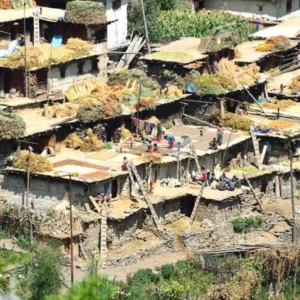
    By late afternoon, arrive at historic Dho Tarap, a traditional settlement surrounded by irregular stone walls and lined with mud-brick houses. The village reflects strong Tibetan cultural heritage, where Nyingma Buddhism and the ancient Bon religion are actively practiced today. Prayer flags flutter above monasteries, adding a spiritual charm to this remote setting. After settling into camp, enjoy a freshly prepared meal and relax in the peaceful highland surroundings. Overnight at a fully supported expedition campsite in a high-quality two-person sleeping tent, with a separate dining tent and freshly prepared meals provided by your trekking crew.

    7 hour
    Breakfast + Lunch + Dinner
    Tented Camps
  • Day
    09

    Acclimatization & Cultural Exploration in Dho Tarap

    After breakfast at our camp in Dho Tarap (3,944 m), we spend the day acclimatizing and exploring the remarkable Tarap Valley. Surrounded by rugged mountains, stone-walled fields, grazing yaks, and colourful prayer flags, Dho Tarap offers a fascinating glimpse into traditional high-altitude life in Dolpo. The valley is home to communities following both Tibetan Buddhist and Bön traditions, with ancient customs and local practices still closely connected to everyday life. A gentle walk around the village and valley provides time to enjoy the scenery, visit cultural sites, and become familiar with the environment before continuing the Lower Dolpo Trek.

    The acclimatization day allows the body to adjust gradually to the altitude before the demanding high-pass sections ahead. We keep the walking pace comfortable, exploring nearby trails, fields, and settlements without unnecessary exertion. The surrounding landscape offers views of barren mountain slopes, traditional houses, grazing livestock, and the broad valley below. Taking time to rest, stay hydrated, and enjoy gentle activity helps prepare us for the higher elevations of Numa La Pass (5,309 m) and Baga La Pass (5,169 m) while making the most of our stay in this remote Himalayan valley.

    During the exploration, we visit important cultural and religious sites, including Ribo Bhumpa Monastery and nearby Bön religious sites, while observing the distinctive traditions of the local community. Encounters with villagers offer an authentic insight into life in this remote part of Nepal, where Tibetan-influenced culture remains an important part of the community. By evening, we return to our camp for a warm and nourishing meal. This rest day combines essential acclimatization with cultural discovery, making it a valuable part of the Lower Dolpo Trek.

    3 hour
    Breakfast + Lunch + Dinner
    Tented Camps
  • Day
    10

    Trek from Dho Tarap to Numa La Phedi

    After breakfast at camp in Dho Tarap (3,944 m), trek towards Numa La Phedi (4,440 m) through the upper Tarap Valley. The trail follows the Tarap Chu River, passing green meadows, grazing yaks, and small settlements including Tokyu Village. Along the way, Kakar Gompa and Jyampa Gompa offer glimpses of the valley’s Buddhist heritage. Gradually gaining altitude, the trail opens into peaceful alpine landscapes surrounded by rugged cliffs and remote Dolpo mountains.

    The trek covers approximately 8 km and takes around 4–5 hours, with about 350 m of ascent and 10 m of descent. The route is relatively short but becomes more challenging as the altitude increases. The steady climb through open meadows provides a good opportunity to acclimatize before crossing Numa La Pass (5,309 m). Enjoy the quiet wilderness, grazing yaks, and traditional pastoral life along the trail. Lunch will be arranged by your guide at a suitable location during the trek, depending on the day’s activities and convenience.

    By late afternoon, reach Numa La Phedi (4,440 m), a remote grassy campsite beneath the pass. With no permanent lodges in this isolated area, the night is spent in tented camps prepared by the trekking crew. After a warm meal, enjoy the peaceful mountain surroundings and clear night sky before resting for the demanding Numa La Pass crossing tomorrow. Overnight at a fully supported expedition campsite with a two-person sleeping tent, separate dining tent, and freshly prepared meals.

    5 hour
    Breakfast + Lunch + Dinner
    Tented Camps
  • Day
    11

    Trek Over Numa La Pass to Danigar

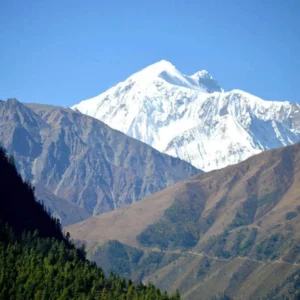
    After breakfast at camp in Numa La Phedi (4,440 m), begin the challenging climb towards Danigar (4,512 m), crossing Numa La Pass (5,309 m). The trail rises steeply across rocky, windswept slopes, with each turn revealing wider views of the Dolpo highlands. From the pass, clear-weather views stretch towards Dhaulagiri (8,167 m), surrounding snow-capped peaks, and the vast Pelung Tang Valley below.

    The trek covers approximately 11 km and takes around 6–7 hours, with about 990 m of ascent and 940 m of descent. The demanding climb to Numa La is followed by a long descent across rocky slopes, open pastures, and narrow highland trails. The exposed terrain and altitude require a steady pace, but the dramatic mountain scenery makes this one of the memorable days of the Lower Dolpo Trek. Lunch will be arranged by your guide at a suitable location during the trek, depending on the day’s activities and convenience.

    By late afternoon, reach Danigar (4,512 m), a peaceful highland campsite surrounded by rugged mountains. After crossing Numa La Pass, settle into the tented camp and enjoy a warm meal prepared by the trekking crew. The quiet setting and views across the Dolpo wilderness provide time to rest and recover before continuing the journey.

    7 hour
    Breakfast + Lunch + Dinner
    Tented Camps
  • Day
    12

    Trek Over Baga La Pass to Yak Kharka

    After breakfast at camp in Danigar (4,512 m), trek towards Yak Kharka (3,860 m), crossing the challenging Baga La Pass (5,169 m). The trail climbs steadily over rocky slopes, with occasional snow patches and prayer flags marking the high pass. From the summit, enjoy sweeping views of Kanjiroba Himal, snow-capped peaks, and the rugged valleys of the Lower Dolpo highlands.

    The trek covers approximately 12 km and takes around 6–7 hours, with about 670 m of ascent and 1,400 m of descent. After crossing Baga La, the trail descends through Bagala La Base Camp (3,995 m), also known as Temche, along the Manduwa Khola. Alpine meadows, grazing yaks, and scattered shrubs add colour to the otherwise rugged landscape. The long descent provides a welcome change after the demanding high-pass crossings. Lunch will be arranged by your guide at a suitable location during the trek, depending on the day’s activities and convenience.

    By late afternoon, arrive at Yak Kharka (3,860 m), a peaceful campsite surrounded by open pastures and mountain scenery. Settle into the tented camp and enjoy a warm meal prepared by the trekking crew. The quieter surroundings offer time to rest after crossing Baga La Pass and prepare for the onward journey towards Phoksundo Lake and deeper into the Dolpo wilderness.

    7 hour
    Breakfast + Lunch + Dinner
    Tented Camps
  • Day
    13

    Trek to Ringmo & Explore Phoksundo Lake

    After breakfast at camp in Yak Kharka (3,860 m), begin the trek towards Ringmo (3,640 m). The trail descends through open alpine pastures and forests of pine, juniper, and cypress, with views of rugged cliffs and the Phoksundo Khola. As the altitude decreases, the landscape becomes greener, with small streams, shrubs, and wild herbs adding variety to the peaceful Dolpo scenery.

    The trek covers approximately 5 km and takes around 4–5 hours, with about 200 m of ascent and 330 m of descent. The trail follows gentle climbs and gradual descents, with glimpses of turquoise Phoksundo Lake and its dramatic cliffs. Passing through quiet surroundings, trekkers can observe the traditional lifestyle and Bön and Buddhist culture of this remote region. Lunch will be arranged by your guide at a suitable location during the trek, depending on the day’s activities and convenience.

    By early afternoon, reach Ringmo (3,640 m), a traditional village beside Phoksundo Lake. Its flat-roofed stone houses, chortens, and distinctive cultural heritage create a peaceful mountain setting. After settling into the tented camp, the afternoon is free to explore the village, meet local residents, or enjoy views of the turquoise lake surrounded by towering cliffs. In the evening, return to camp for a warm meal and rest in preparation for the next stage of the Lower Dolpo Trek.

    7 hour
    Breakfast + Lunch + Dinner
    Tented Camps
  • Day
    14

    Trek from Phoksundo Lake (Ringmo) to Chhepka

    After breakfast at the campsite in Ringmo (3,640 m), begin the trek toward Chhepka (2,720 m), leaving behind the spectacular turquoise waters of Phoksundo Lake. The trail descends through dense pine and juniper forests, dramatic cliffs, alpine meadows, and peaceful river valleys, creating a striking transition from the high-altitude landscapes of Upper Dolpo to greener lower valleys. Along the route, you will pass cultivated terraces, traditional Dolpo villages, and suspension bridges while enjoying opportunities to observe native Himalayan birds and wildlife.

    The trek from Phoksundo Lake and Ringmo to Chhepka (2,720 m) covers approximately 19.5 km and takes around 8–9 hours, with about 240 m of ascent and 1,200 m of descent. The long descent follows rocky mountain paths, forest trails, river valleys, and suspension bridges as the landscape gradually changes from alpine wilderness to lush pine and juniper forests. This scenic section of the Lower Dolpo Trek offers a remarkable contrast in scenery and provides a memorable journey through the diverse landscapes of the Dolpo trekking route. Lunch will be arranged by your guide at a suitable location during the trek, depending on the day’s activities and convenience.

    By late afternoon, arrive at Chhepka (2,720 m), where the lower elevation brings a warmer climate and greener surroundings. After the long trekking day, settle into camp and enjoy the peaceful forest environment while reflecting on the spectacular landscapes and cultural experiences of Lower Dolpo. Overnight at a fully supported expedition campsite in a high-quality two-person sleeping tent, with a separate dining tent and freshly prepared meals provided by your trekking crew.

    9 hour
    Breakfast + Lunch + Dinner
    Tented Camps
  • Day
    15

    Trek from Chhepka to Juphal via Sulighat

    After breakfast at the campsite in Chhepka (2,720 m), begin the final trekking day toward Juphal (2,475 m) via Sulighat. The trail gradually descends through peaceful pine and juniper forests, terraced hillsides, alpine meadows, and traditional mountain settlements. Along the route, you will cross suspension bridges and follow riverside and rocky trails while enjoying changing views of the surrounding Dolpo valleys. As the landscape becomes greener and more settled, the trail offers a memorable transition from the remote wilderness of Lower Dolpo toward the gateway town of Juphal.

    The trek from Chhepka to Juphal (2,475 m) via Sulighat covers approximately 18 km and takes around 7–8 hours, with about 490 m of ascent and 740 m of descent. The route combines forest paths, cultivated fields, terraced hillsides, river valleys, and traditional villages, creating a varied final day on the Dolpo trekking route. The lower elevation makes the walking more comfortable after the demanding high-altitude sections of the trek, while the changing scenery provides a fitting conclusion to your time in the remote landscapes of Lower Dolpo. Lunch will be arranged by your guide at a suitable location during the trek, depending on the day’s activities and convenience.

    By late afternoon, arrive at Juphal Airport (2,475 m), marking the completion of your Lower Dolpo Trek. Check in at Hotel Mount Putha in Juphal, Dolpa, and enjoy a welcome return to more comfortable facilities after the extended camping journey. Relax and enjoy the surrounding mountain atmosphere while reflecting on the remarkable landscapes, cultural encounters, and high mountain passes experienced throughout the expedition. Overnight accommodation is provided in a twin-sharing room with a private bathroom, with breakfast and dinner included.

    8 hour
    Breakfast + Lunch + Dinner
    Tea House
  • Day
    16

    Fly to Kathmandu via Nepalgunj & Leisure Time

    After breakfast at Hotel Mount Putha, transfer to Juphal Airport (2,475 m) for your scenic flight to Nepalgunj (150 m). The flight takes approximately 35 minutes, offering impressive aerial views of the rugged Dolpo mountains, deep river valleys, traditional villages, and terraced hillsides. As the aircraft leaves the remote Himalayan landscape behind, the scenery gradually changes to the lush plains of western Nepal, providing a memorable farewell to Lower Dolpo.

    Upon arrival in Nepalgunj, connect with your onward domestic flight to Kathmandu (1,400 m), which takes approximately one hour. During the flight, enjoy changing views of Nepal’s diverse geography, from fertile lowland plains and winding rivers to distant Himalayan peaks. Upon landing in Kathmandu, transfer to Hotel Kailash Kutee and check in to your twin-sharing room with a private bathroom. Breakfast is included.

    Enjoy the remainder of the day at your leisure. You may relax at the hotel, explore Kathmandu independently, or simply recover after the long journey from the remote mountains. In the evening, take time to reflect on the remarkable landscapes, ancient monasteries, remote villages, and high mountain passes experienced throughout your Lower Dolpo Trek.

    2 hour
    Breakfast + Lunch
    Hotel Kailash Kutee
  • Day
    17

    Kathmandu Buffer Day & Optional Sightseeing

    This day is reserved as a buffer day in Kathmandu in case your scheduled flight from Juphal via Nepalgunj to Kathmandu is delayed or cancelled due to unfavorable weather or other operational conditions. Since flights in the remote mountain regions of Nepal can be affected by weather, keeping a spare day provides flexibility and helps avoid disruptions to your international departure schedule.

    If your flights operate as scheduled and you arrive in Kathmandu on Day 21, you can use this additional day to explore more of the Kathmandu Valley at your own pace. As you have already visited some of Kathmandu’s major cultural and religious heritage sites, today offers an opportunity to discover the historic Durbar Squares of Kathmandu, Patan, and Bhaktapur. Depending on your interests and available time, you may comfortably visit any two of these three UNESCO-listed heritage areas and explore their ancient palaces, temples, courtyards, traditional architecture, and vibrant local surroundings. This optional sightseeing tour can be arranged at short notice through our trusted local partner in Kathmandu.

    Alternatively, you may enjoy a relaxed day at the hotel, explore Thamel, shop for souvenirs, or simply rest before your international departure. Overnight accommodation is provided at Hotel Kailash Kutee in a twin-sharing room with a private bathroom, with breakfast included.

    6 hour
    Breakfast
    Hotel Kailash Kutee
  • Day
    18

    Farewell – Airport Transfer & Departure

    As your Himalayan journey comes to an end, take a moment to reflect on Nepal’s stunning natural beauty, rich cultural heritage, and unforgettable experiences—from majestic mountain landscapes to the warm hospitality of local communities.

    For a smooth departure, a representative of Monkvana | Himalayan Monks Sp. z o.o., operating through its local partner Jagdamba Holidays, will meet you at your hotel approximately 3.5 hours before your scheduled flight and provide a comfortable transfer to Tribhuvan International Airport, Kathmandu.

    Thank you for choosing Monkvana | Himalayan Monks Sp. z o.o. and Jagdamba Holidays. We look forward to welcoming you again on future journeys across the Himalayas and beyond.

    45 minute
    Breakfast
    None

Cost Includes

  • All transfers within Nepal are included as per itinerary
  • Any domestic flight of Nepal as per trekking itinerary
  • Trekking accommodation (hotel, lodge and/or tent) as per itinerary
  • Small shared room with shared bathroom during trek in Nepal
  • In Kathmandu and/or Pokhara: Stay at ***Hotel with breakfast
  • Luggage for porters during the trek (12.5 kg/person)
  • 3 meals (Breakfast, Lunch and Dinner) during the trek
  • Unlimited tea or coffee for breakfast during the trek
  • An English speaking guide (trekking/tour) as per Itinerary
  • Travel insurance for trekking staff (guides and porters)
  • All expenses of trekking staff(s) during trekking
  • Includes all conservation, national park, trekking, and climbing permits
  • Sightseeing / Wildlife tours if included in the itinerary
  • Farewell dinner in Kathmandu before returning home

Cost Excludes

  • Single room/single tent surcharge (on request)
  • Round trip/one way international flight ticket to Nepal.
  • Tourist visa for Nepal (30-50 $, depending on length of stay)
  • Personal Insurance (covers: Trip/flight cancellation, helicopter rescue)
  • Meals (lunch, dinner) at hotels in Kathmandu, Pokhara and other cities
  • Drinks (soft, hot or mineral/boiled water) during the lodge trek
  • Any personal trekking and/climbing equipment for trekking in Nepal
  • Hotel expenses in case of early return from trekking for any reason
  • Costs due to flight cancellations & extra porters/horses during the trek
  • Additional costs incurred due to any reason beyond Jagdamba’s control
  • More evidence about pandemics like COVID-19 if needed in the future.
  • Personal expenses during the trek (phone, wifi, shower, charging etc.)
  • Other costs and things that are not mentioned in the service inclusion
  • Gratuity for trekking staff (recommended: 9€ /10$ per traveler per day)

Frequently Asked Questions (FAQs)

Do I need a visa to travel to Nepal?

Yes. Most travelers require a Nepal tourist visa, which can be obtained on arrival at Tribhuvan International Airport (Kathmandu) or from a Nepalese embassy in advance.

What documents are required for a Nepal visa on arrival?

You need a passport valid for at least 6 months, one passport-size photo, a completed visa application form, and the visa fee (USD cash recommended).

Are international flights to Nepal included in the package?

No. International flights are not included in the package price. We can advise on airlines and recommended arrival times.

Which airport do international flights arrive at in Nepal?

All international flights arrive at Tribhuvan International Airport (KTM) in Kathmandu.

Is airport pickup provided in Kathmandu?

Yes. Airport transfers are included. Our representatives will welcome you at the airport with a company placard and assist with hotel transfer.

What is the Gokyo Lakes Trek?

The Gokyo Lakes Trek is a breathtaking Himalayan journey in Nepal’s Everest region, famous for its turquoise glacial lakes and stunning mountain views.

Is the Gokyo Lakes Trek suitable for beginners?

Yes, the Gokyo Lakes Trek is suitable for beginners with good physical fitness and proper acclimatization, but it is more challenging than lower-altitude treks.

What is the difficulty level of this trip?

The overall difficulty is moderate, involving 5–8 hours of trekking per day and Grade II–III rafting.

What is the best time to do the Gokyo Lakes Trek?

The best time to do the Gokyo Lakes Trek is during spring (March–May) and autumn (September–November), when the weather is stable and mountain views are crystal clear.

How is altitude sickness managed during the trek?

The itinerary includes gradual altitude gain, acclimatization days, and monitoring by experienced guides to minimize altitude-related issues.

What type of accommodation is provided?

Accommodation on the Gokyo Lakes Trek is mainly in teahouses (mountain lodges), offering simple yet comfortable rooms with twin beds, shared bathrooms, and warm blankets.
Meals are served in a common dining area, and facilities become more basic as altitude increases.

Are meals included during the trek?

Yes, meals are included during the Gokyo Lakes Trek, typically covering breakfast, lunch, and dinner each day while on the trail.
Meals are served at teahouses and usually include a mix of Nepali, Tibetan, and basic Western dishes to keep you energized at high altitude.

Do I need special trekking equipment?

No technical equipment is required. Basic trekking gear is sufficient, and all equipment is provided.

What makes the Gokyo Lakes Trek unique?

The Gokyo Lakes Trek is unique for its stunning turquoise glacial lakes, fewer crowds compared to Everest Base Camp, and the climb to Gokyo Ri, which offers panoramic views of four 8,000-meter peaks—Everest, Lhotse, Makalu, and Cho Oyu—from a single viewpoint.