
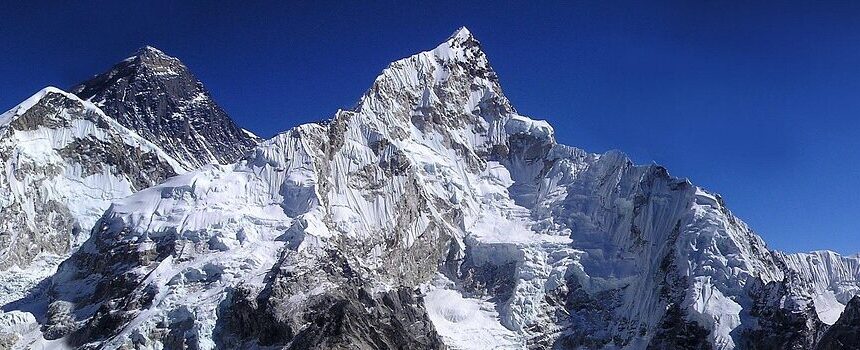
Explore the Himalayas with Confidence
The Himalayas offer extraordinary adventures, but travelling in high-altitude and remote mountain environments requires careful preparation, responsible planning, and experienced local support.
At Monkvana, safety is not an additional service—it is an essential part of how we plan and operate every Himalayan journey. From choosing appropriate routes and allowing sufficient time for acclimatisation to monitoring weather conditions and maintaining access to emergency support, we take a practical and responsible approach to mountain travel.
Our aim is not to eliminate every natural risk—this is impossible in the mountains—but to identify, prepare for, manage, and communicate potential risks responsibly so that you can enjoy your journey with greater confidence.
Why Mountain Safety Matters
Himalayan travel can involve rapidly changing weather, high altitude, remote terrain, steep trails, limited road access, and long distances from medical facilities.
Conditions that may be manageable at lower elevations can become serious at altitude. A well-planned itinerary therefore needs to consider more than distance and walking time.
We consider factors such as:
- Altitude and acclimatisation
- Weather and seasonal conditions
- Trail and terrain difficulty
- Walking distance and daily elevation gain
- Availability of accommodation and food
- Road and transport conditions
- Access to communication
- Availability of medical assistance
- Emergency evacuation possibilities
- Individual fitness and previous mountain experience
Altitude & Acclimatisation
Give Your Body Time to Adjust
Altitude is one of the most important considerations when travelling in the Himalayas.
As elevation increases, the air contains less available oxygen. Your body needs time to adapt, which is why a well-designed itinerary should avoid unnecessary rapid ascents and include appropriate acclimatisation and rest periods.
We design itineraries with altitude progression in mind and recommend a sensible pace rather than trying to reach the highest point as quickly as possible.
During a High-Altitude Journey, We Encourage Travellers To:
- Ascend gradually where possible
- Follow the planned acclimatisation schedule
- Walk at a comfortable and sustainable pace
- Stay properly hydrated
- Eat regularly, even when appetite decreases
- Avoid unnecessary physical exertion
- Tell the guide immediately if they feel unwell
- Never ignore or hide symptoms
Important
Altitude-related illness can affect anyone, regardless of age, fitness, or previous trekking experience. Being physically fit does not guarantee immunity from altitude problems.
Our guides monitor travellers throughout the trek and can recommend rest, descent, itinerary adjustments, or medical assistance when necessary.
No itinerary is more important than your safety.
Recognising Altitude-Related Symptoms
Travellers should understand the basic warning signs before travelling at altitude.
Possible Symptoms
- Headache
- Unusual tiredness
- Dizziness
- Loss of appetite
- Nausea
- Difficulty sleeping
- Shortness of breath
- Confusion or unusual behaviour
- Difficulty walking normally
Mild symptoms may improve with rest and acclimatisation, but worsening or serious symptoms should never be ignored.
Our guides are trained to recognise common altitude-related concerns and will assess the situation with the traveller and determine whether the journey should continue, pause, descend, or seek medical assistance.
The safest response to serious altitude symptoms is generally to descend and seek appropriate medical attention.
For specific medical advice, travellers should consult their doctor or a qualified travel-medicine professional before departure.
Experienced Local Guides
Local Knowledge Makes a Difference
A knowledgeable mountain guide is one of the most important safety resources on a Himalayan journey.
Our local guides understand the routes, villages, weather patterns, terrain, accommodation options, transportation conditions, and practical challenges of travelling in remote mountain areas.
They are responsible not only for showing you the trail but also for helping manage the journey safely.
Our Guides Help With:
- Route navigation
- Pace management
- Altitude awareness
- Weather observation
- Trail-condition assessment
- Daily itinerary coordination
- Communication with local teams
- Recognising potential health concerns
- Coordinating assistance when required
We believe a good guide should be professional, observant, approachable, and willing to make responsible decisions when conditions change.
Weather & Changing Mountain Conditions
The Mountains Can Change Quickly
Himalayan weather can be unpredictable. Clear conditions in the morning can sometimes change rapidly, particularly at higher elevations.
Snow, rain, strong winds, fog, storms, landslides, and poor visibility can affect trekking routes and mountain transportation.
For this reason, our itineraries are planned with reasonable flexibility.
Before and During a Journey, We Consider:
- Weather forecasts
- Local weather observations
- Trail conditions
- Snow and rainfall
- Road conditions
- Visibility
- Flight conditions
- Advice from local guides and authorities
If conditions make a particular route unsafe, we may recommend changing the itinerary, delaying a departure, taking an alternative route, or stopping the journey.
A change of plan is sometimes the safest part of a mountain journey.
Emergency & Medical Support
When Things Do Not Go According to Plan
Even with careful preparation, emergencies can happen in the mountains.
Depending on the destination and location, assistance may involve local medical facilities, health posts, rescue teams, road evacuation, or helicopter evacuation.
Our Local Team Can Assist With:
- Assessing the immediate situation
- Contacting the appropriate local support
- Coordinating transport or evacuation where possible
- Communicating with the traveller’s emergency contact
- Assisting with local logistics
- Supporting communication with insurance providers where required
The availability and speed of emergency assistance can vary considerably depending on location, weather, altitude, communication coverage, and access to the trail.
Travel Insurance
We strongly recommend comprehensive travel insurance that specifically covers:
- Trekking activities
- The maximum altitude of your trip
- Emergency medical treatment
- Helicopter evacuation where appropriate
- Trip interruption or cancellation
Travellers should carefully check the conditions and exclusions of their policy before departure.
Helicopter Evacuation
An Important Part of High-Altitude Travel Planning
Helicopter evacuation is sometimes necessary when a traveller experiences a serious medical problem or when continuing or descending by trail is not reasonably possible.
However, helicopter evacuation is not guaranteed on demand.
Availability Can Depend On:
- Weather
- Visibility
- Aircraft availability
- Landing conditions
- Location
- Aviation restrictions
- The nature and urgency of the emergency
For this reason, travellers should never plan a Himalayan trek assuming that a helicopter will always be immediately available.
Adequate insurance and an experienced local support network are essential.
Communication in Remote Areas
Mobile coverage and internet connectivity are not available everywhere in the Himalayas.
Depending on the route, communication may be limited or unavailable for periods of time.
Our guides and local teams use the communication options available in the destination and route, and we plan logistics with the remoteness of the area in mind.
Before departure, travellers should understand that remote mountain travel does not provide the same level of connectivity or immediate services as cities.
Trekking Responsibly
Safety Also Means Respecting the Mountain Environment
Responsible travel contributes to safer and more sustainable journeys.
We Encourage Travellers To:
- Stay on established trails
- Follow guide instructions
- Respect local communities
- Avoid unnecessary risks
- Carry personal waste until proper disposal is available
- Use refillable water bottles where appropriate
- Respect wildlife
- Follow local rules and conservation requirements
- Avoid damaging fragile mountain environments
Protecting the Himalayan environment helps preserve the trails, communities, and landscapes that future travellers will experience.
Your Personal Preparation
Safety Starts Before You Leave Home
Our team manages the operational side of your journey, but travellers also have an important role in preparing responsibly.
Before travelling, we recommend:
Health
Consult your doctor or a travel-medicine specialist if you have concerns about travelling at altitude or have relevant medical considerations.
Fitness
Prepare for the physical demands of your particular trek. You do not need to be an elite athlete, but you should be comfortable with sustained walking and elevation gain appropriate to your itinerary.
Equipment
Bring suitable clothing, footwear, rain protection, sun protection, a headlamp, personal medication, and other equipment appropriate to the season and altitude.
Insurance
Purchase comprehensive travel insurance that specifically covers your activities, maximum altitude, medical treatment, and emergency evacuation.
Documents
Carry copies of your passport, insurance details, emergency contacts, permits, and other important travel documents.
What Happens If You Cannot Continue?
Your Well-Being Comes First
Mountain journeys do not always go exactly as planned.
If a traveller becomes unwell, struggles with altitude, is affected by injury, or cannot safely continue, our team will work with the guide and local support network to determine the safest available option.
Depending on the Circumstances, This May Mean:
- Taking an additional rest day
- Changing the itinerary
- Returning to a lower altitude
- Using alternative transport
- Leaving the trekking route
- Visiting a medical facility
- Arranging emergency evacuation when appropriate
Reaching the planned destination is never more important than returning safely.
When We Change the Itinerary
Sometimes the safest decision is to change the original plan.
We May Recommend an Itinerary Change Because Of:
- Severe weather
- Unsafe trail conditions
- Landslides or flooding
- Heavy snowfall
- Road closures
- Flight disruption
- Political or local restrictions
- Health or altitude concerns
- Other unforeseen circumstances
We understand that changing a planned itinerary can be disappointing. However, responsible mountain travel means making decisions based on current conditions rather than promises made months before departure.
Our Mountain Safety Principles
01 — Plan Carefully
We select routes and itineraries according to season, altitude, difficulty, logistics, and available infrastructure.
02 — Acclimatise Responsibly
We allow appropriate time for travellers to adapt to increasing altitude and avoid unnecessary rapid ascents.
03 — Travel with Local Expertise
Our local guides and support teams bring practical knowledge of the mountain environment.
04 — Monitor Conditions
Weather, trails, transport, and local conditions can change. We adjust plans when necessary.
05 — Communicate Clearly
We encourage travellers to tell their guide immediately about illness, injury, fatigue, or concerns.
06 — Never Compromise Safety
If conditions become unsafe, we prioritise a safer alternative over completing the original itinerary.
Before You Book
Questions Every Himalayan Traveller Should Ask
Before booking a Himalayan trek, make sure you understand:
What Is the Highest Altitude of the Trip?
Know the maximum elevation and how the itinerary reaches it.
How Many Acclimatisation Days Are Included?
A responsible itinerary should consider altitude rather than simply maximising daily progress.
Who Will Guide Me?
Ask about guide experience, training, and local knowledge.
What Happens in an Emergency?
Understand the local emergency and evacuation procedures.
Does My Insurance Cover the Trek?
Check the maximum altitude, trekking activity, medical expenses, and helicopter evacuation provisions.
What Happens If Weather Changes?
A good operator should have a realistic approach to itinerary changes and delays.
How Remote Is the Route?
Understand the availability of roads, medical facilities, communication, accommodation, and rescue services.
What Equipment Do I Need?
Your operator should provide clear information about essential equipment and seasonal conditions.
Our Commitment
Safety Is Part of the Journey
At Monkvana, we believe responsible Himalayan travel begins with honest information and careful preparation.
We do not promise risk-free adventures. The Himalayas are a natural environment, and conditions can never be completely controlled.
What we can do is prepare carefully, work with experienced local professionals, monitor conditions, communicate openly, and make responsible decisions when circumstances change.
Your adventure should be memorable for the right reasons.
Travel prepared. Travel responsibly. Explore the Himalayas with confidence.