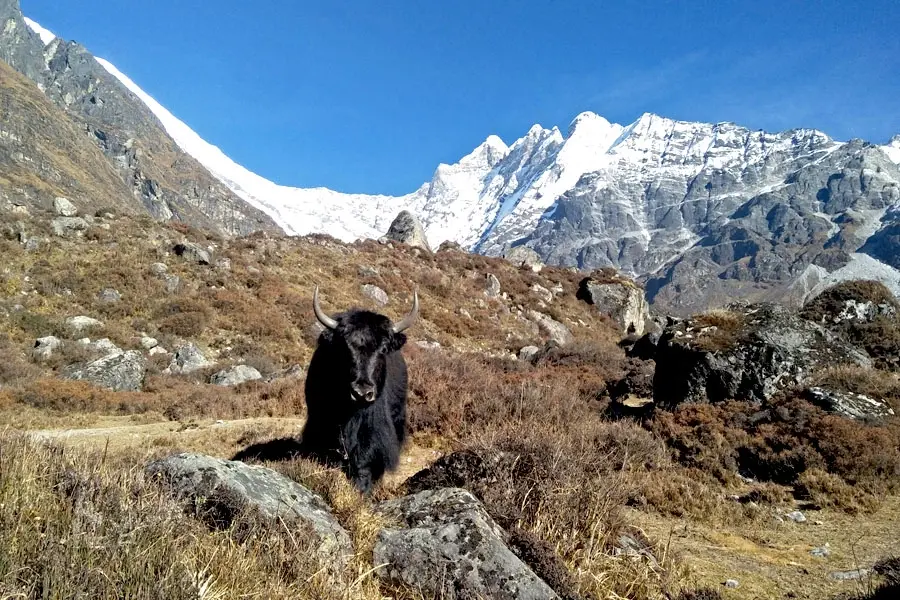
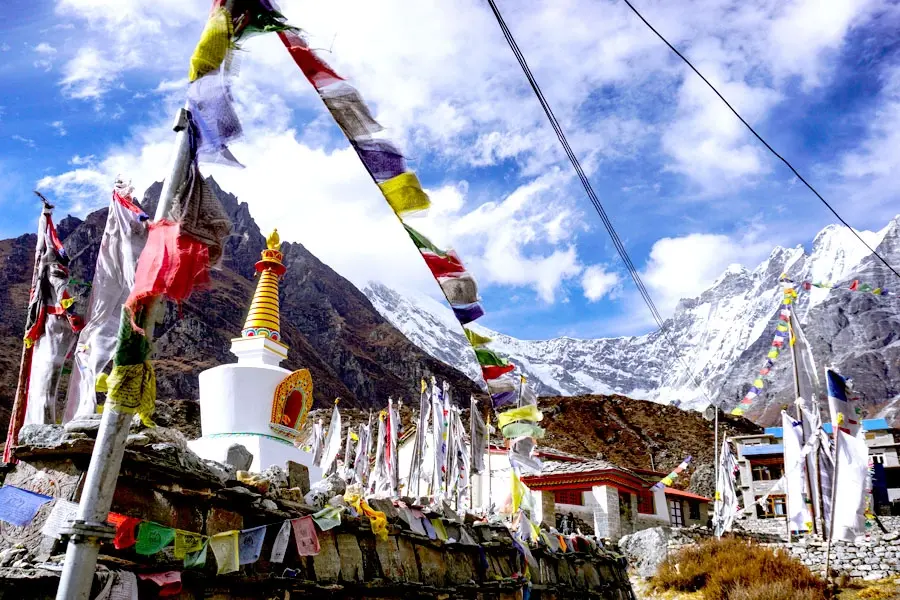
The Langtang Gosaikunda Trek begins in Thulo Syabru and leads through the spectacular landscapes of the Langtang region. The journey passes through Lama Hotel, known for its peaceful surroundings and beautiful forests, before continuing through Langtang Village, Kyanjin Gompa, alpine meadows, and mountain valleys. The route gradually ascends through Kyanjin Ri (4,773 m), Thulo Syabru, and Lauribina (3,910 m) to the sacred Gosaikunda Lake (4,380 m), a revered alpine lake surrounded by rugged mountains and believed to hold deep religious significance for both Hindu and Buddhist pilgrims. With panoramic views of Langtang Lirung, Ganesh Himal, Manaslu, and Himalayan peaks, this trek combines Tamang culture, diverse landscapes, and unforgettable Himalayan adventure with Monkvana.
ℹ️ Price Information
The displayed price is per person, based on a typical group size of 5–8 travellers. The final price may vary depending on your selected departure date and group size. Please see the Scheduled Departures & Group Discounts section below for available departure dates and applicable group rates.
Trip Overview
The Langtang Gosaikunda Trek Nepal is one of the most rewarding Himalayan trekking experiences, combining spectacular mountain scenery, rich Tamang culture, peaceful trails, sacred alpine lakes, and diverse landscapes within Langtang National Park. The trek takes you from the mountain settlements north of Kathmandu through traditional villages, lush rhododendron and oak forests, cascading waterfalls, river valleys, alpine meadows, and rugged Himalayan terrain toward the spectacular Gosaikunda Lake (4,380 m). Along the way, you can enjoy breathtaking views of Langtang Lirung, Langtang II, Dorje Lakpa, Yala Peak, Ganesh Himal, and other Himalayan mountains.
The journey begins with a scenic drive from Kathmandu to Dhunche, Thulo Bharkhu, or Thulo Syabru, depending on the selected itinerary and current road conditions. From the starting point, the trail follows peaceful mountain paths through forests, traditional Tamang settlements, suspension bridges, waterfalls, river valleys, and alpine landscapes. As you gradually gain altitude, the scenery changes from green hills and forested valleys to open high-altitude terrain and dramatic Himalayan peaks.
Trekking Through Dhunche, Thulo Bharkhu and the Lower Langtang Region
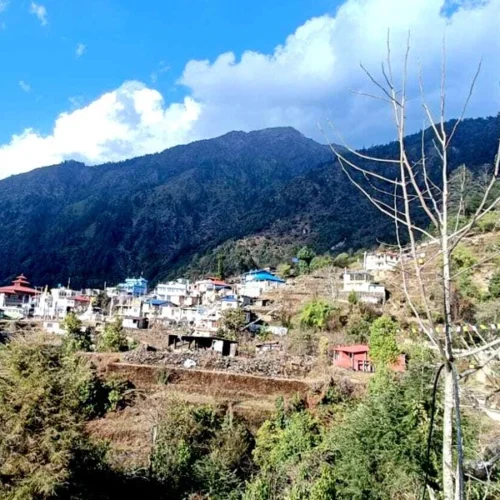
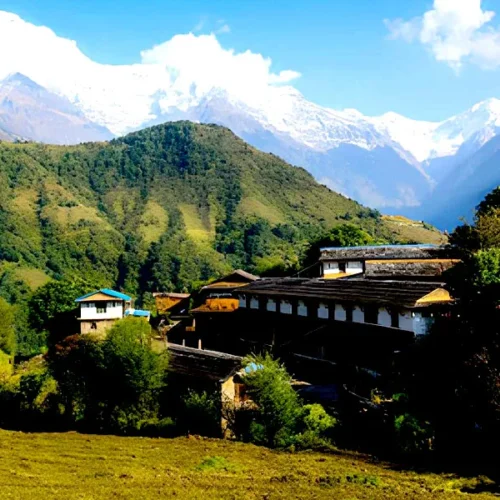
The Langtang Gosaikunda Trek begins at Dhunche, Thulo Bharkhu, or Thulo Syabru, depending on the itinerary. These traditional mountain settlements provide access to the Langtang and Gosaikunda regions and are surrounded by green hills, forested slopes, and peaceful Himalayan landscapes.
The route passes through dense rhododendron, oak, maple, pine, and other Himalayan forests, creating a scenic and refreshing walking environment. The sound of mountain streams, waterfalls, birds, and rivers accompanies trekkers along much of the trail.
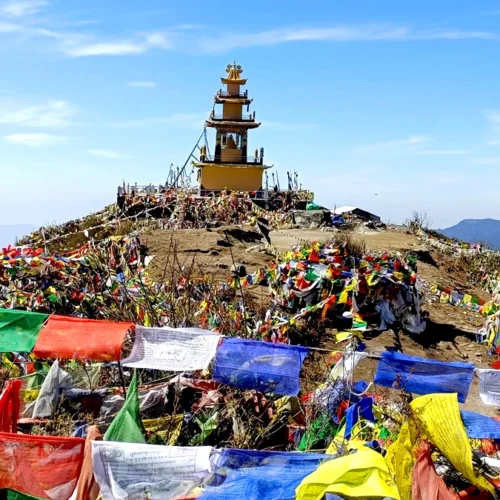
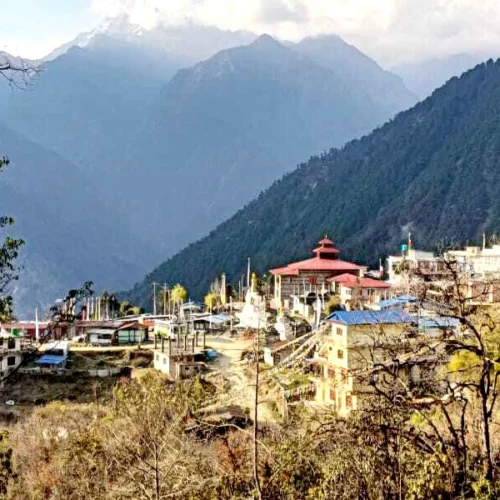
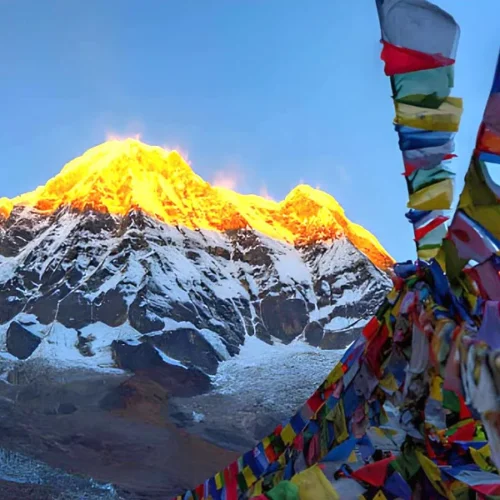
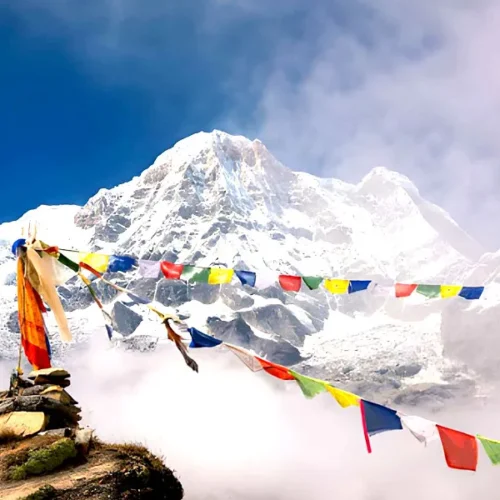
As the trek continues higher into the Langtang region, the valley gradually becomes narrower and more dramatic. Traditional villages, stone houses, prayer flags, mani walls, Buddhist monuments, and welcoming local communities introduce trekkers to the cultural heritage of the region.
Langtang Valley and the Changing Himalayan Landscape
The trail continues through the Langtang Valley, passing traditional mountain settlements and beautiful Himalayan landscapes. The route provides opportunities to experience the traditions, hospitality, and mountain lifestyle of the local Tamang communities.
Beyond the lower villages, the landscape gradually changes as the trail climbs higher. The route passes through smaller settlements, stone-built houses, yak pastures, Buddhist prayer flags, mani walls, and open mountain meadows.
With every step toward the upper valley, the Himalayan scenery becomes more dramatic. The surrounding peaks appear closer while the forests gradually give way to alpine vegetation, creating a striking transition from the lush lower valley to the high Himalayan environment.
Kyanjin Gompa – The Heart of the Langtang Valley
Continuing through the Langtang Valley, the trail climbs toward Kyanjin Gompa, a spectacular mountain settlement surrounded by towering Himalayan peaks. This high-altitude destination provides an excellent opportunity to explore the upper Langtang Valley before continuing toward the Gosaikunda region.
The landscape around Kyanjin Gompa is dramatically different from the lower sections of the trek. Dense forests disappear, while alpine meadows, rocky slopes, glacial streams, yak pastures, and snow-covered mountains dominate the scenery.
The magnificent Langtang Lirung rises prominently above the valley, creating one of the most impressive mountain views of the trek. Kyanjin Gompa also provides an excellent base for exploring the surrounding alpine landscapes and nearby viewpoints.
Trekkers can visit the monastery, explore nearby yak pastures, walk through the surrounding valley, and enjoy panoramic views of the Himalayan peaks before continuing their journey toward Gosaikunda.
Tserko Ri – The Optional High-Altitude Highlight
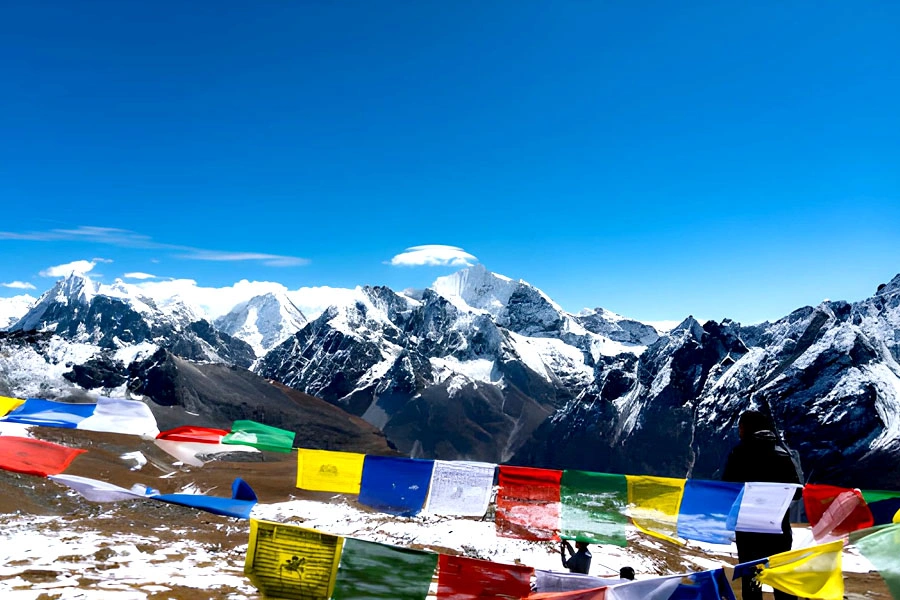
One of the major highlights of the Langtang Gosaikunda Trek Nepal is the optional hike to Tserko Ri, one of the highest viewpoints accessible from Kyanjin Gompa. At approximately 4,984 metres, Tserko Ri offers spectacular panoramic views across the Langtang Himalayas.
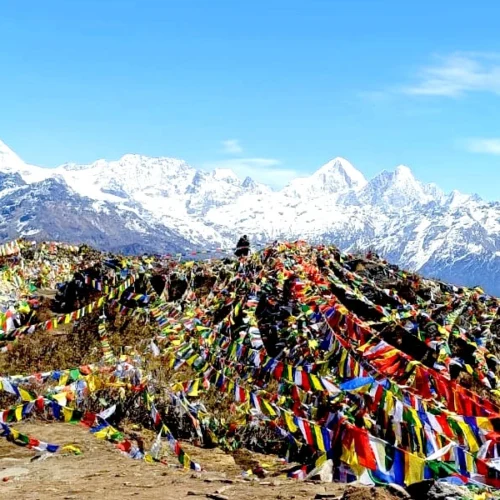
From the viewpoint, Langtang Lirung dominates the skyline, while Langtang II, Dorje Lakpa, Yala Peak, Ganesh Himal, and other surrounding mountains create an unforgettable Himalayan panorama.
The high-altitude viewpoint hike provides a rewarding adventure, with increasingly expansive views of the Langtang Valley, glaciers, alpine ridges, and snow-covered peaks. Reaching the viewpoint and standing above the valley surrounded by dramatic Himalayan scenery creates a strong sense of achievement.
After enjoying the panoramic mountain views, trekkers return to Kyanjin Gompa, where they can relax and appreciate the peaceful alpine surroundings before continuing the trek.
Authentic Tamang Culture and Himalayan Village Life
A major attraction of the Langtang Gosaikunda Trek is the opportunity to experience authentic Tamang culture and traditional Himalayan village life. Throughout the route, trekkers encounter traditional stone houses, Buddhist monasteries, prayer wheels, mani walls, prayer flags, and welcoming local communities.
The cultural experience adds depth to the mountain adventure. Rather than simply passing through the Himalayas, travelers have opportunities to experience the traditions, customs, architecture, and daily lifestyle of communities living in the Langtang region.
The strong influence of Tibetan Buddhist culture can be seen throughout the valley, giving the trek a distinctive cultural character that complements its spectacular natural scenery.
Langtang National Park and Himalayan Forests
The Langtang Gosaikunda Trek passes through the diverse landscapes of Langtang National Park, an important protected area known for its forests, mountains, wildlife, and rich Himalayan biodiversity.
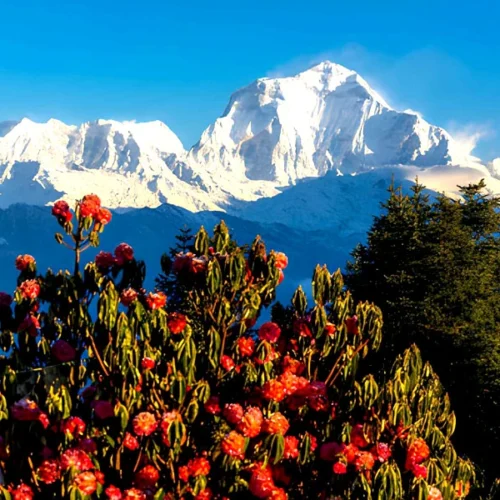
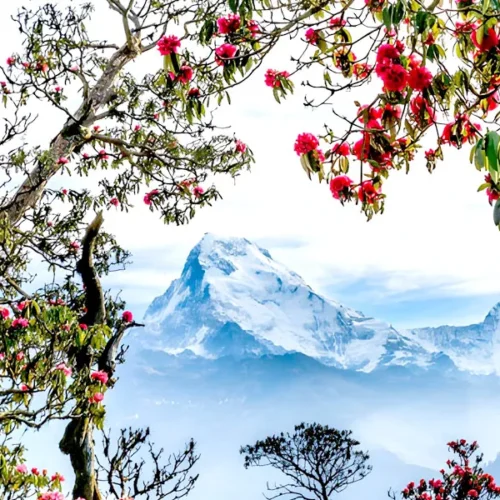
The lower trekking sections feature beautiful forests of rhododendron, oak, maple, pine, and other Himalayan vegetation. During spring, rhododendron flowers add vibrant colours to the forest, creating a beautiful contrast with the green hillsides and distant snow-covered mountains.
As the elevation increases, the dense forests gradually transition into alpine meadows, rocky slopes, and open Himalayan landscapes. This dramatic change in vegetation and scenery is one of the defining characteristics of the Langtang Gosaikunda Trek.
Spectacular Views of Langtang Lirung and the Himalayas
The mountain scenery is one of the biggest reasons travellers choose the Langtang Gosaikunda Trek Nepal. Among the many peaks visible along the route, Langtang Lirung is one of the most prominent and recognisable mountains.
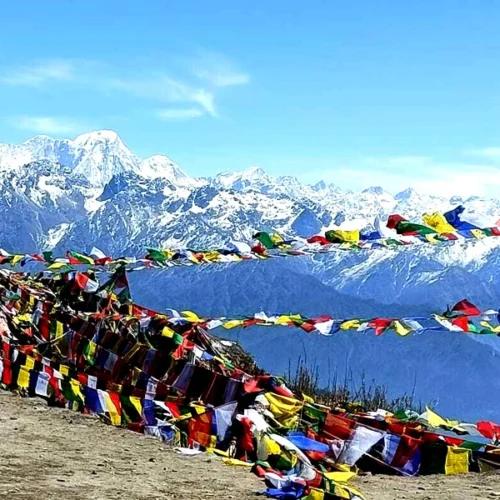
The trek also offers impressive views of Langtang II, Dorje Lakpa, Yala Peak, Ganesh Himal, and numerous surrounding Himalayan peaks. As the trail approaches the higher sections of the trek, the mountains become increasingly close and dramatic.
The combination of towering peaks, glaciers, alpine valleys, rocky ridges, traditional mountain settlements, and sacred high-altitude lakes creates exceptional opportunities for photography and memorable Himalayan experiences.
Gosaikunda Lake – The Sacred Himalayan Destination
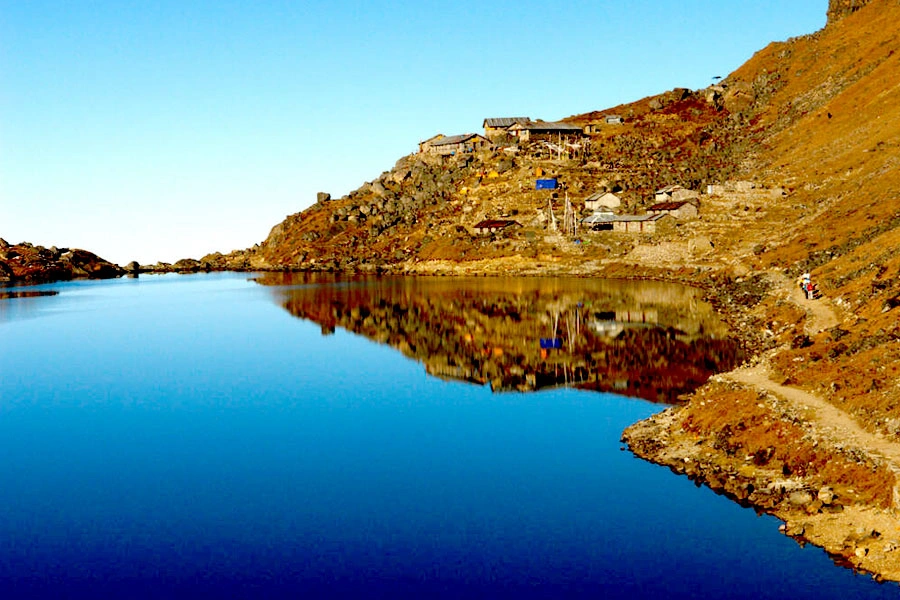
One of the most important highlights of the Langtang Gosaikunda Trek is reaching the sacred Gosaikunda Lake at approximately 4,380 metres. Surrounded by rugged mountain landscapes, the lake holds deep religious significance for both Hindu and Buddhist communities.
The trail toward Gosaikunda passes through beautiful high-altitude landscapes, with alpine vegetation, rocky slopes, mountain ridges, and smaller sacred lakes along the way. The atmosphere gradually becomes quieter and more dramatic as trekkers approach the Gosaikunda lake basin.
Gosaikunda is regarded as a sacred pilgrimage site, particularly during the Janai Purnima festival. The combination of religious significance, dramatic Himalayan scenery, and the peaceful waters of the lake makes reaching Gosaikunda one of the most memorable experiences of the trek.
Exploration Around Gosaikunda
A stay around Gosaikunda Lake allows trekkers to appreciate the surrounding high-altitude landscape without rushing. The area provides beautiful views of the lake, surrounding ridges, alpine terrain, and other sacred water bodies.
Trekkers can explore the lake surroundings, observe the prayer flags and religious shrines, and enjoy the peaceful atmosphere of this remarkable Himalayan destination.
For those who have completed the optional Tserko Ri hike earlier in the trek, reaching Gosaikunda provides a contrasting experience, combining the dramatic mountain landscapes of the Langtang Valley with the sacred alpine lake environment.
Descent from Gosaikunda to Dhunche
After exploring Gosaikunda Lake, the trail begins its descent toward Dhunche. Rather than crossing Lauribina Pass or continuing toward Helambu, this itinerary follows the return route back through the Gosaikunda trail.
As the altitude decreases, the landscape gradually becomes greener. The rocky alpine terrain gives way to forests, mountain villages, and lower Himalayan landscapes, providing a noticeable contrast to the high-altitude scenery experienced around Gosaikunda.
The descent continues through the forested sections and traditional settlements before reaching Dhunche, where the trekking section of the journey is completed.
Return to Kathmandu
After completing the Langtang Gosaikunda Trek, a scenic drive takes you from Dhunche back to Kathmandu. The journey passes through winding mountain roads, green hills, river valleys, terraced farmland, and rural settlements.
After several days in the mountains, returning to Kathmandu provides an opportunity to relax and enjoy the city’s vibrant atmosphere. You can explore Thamel, discover local markets, visit historic cultural sites, enjoy traditional Nepali cuisine, or simply rest after the trek.
Relax and Explore Kathmandu
A buffer day in Kathmandu can provide a comfortable conclusion to the Langtang Gosaikunda trekking adventure. After returning from the mountains, you can explore the city’s cultural heritage, visit ancient temples and courtyards, discover local markets, or enjoy a relaxed evening in Thamel.
This additional time also allows you to enjoy Kathmandu without rushing before your departure, making the overall Langtang Gosaikunda Trek Nepal experience more comfortable and enjoyable.
A Complete Langtang Gosaikunda Trek Experience
The Langtang Gosaikunda Trek Nepal combines spectacular Himalayan scenery, authentic Tamang culture, Buddhist heritage, peaceful forest trails, traditional mountain villages, alpine landscapes, sacred lakes, and rewarding high-altitude experiences. From the forests and villages around Dhunche, Thulo Bharkhu, and Thulo Syabru to the culturally rich Langtang Valley, and from the dramatic landscapes around Kyanjin Gompa and Tserko Ri to the sacred waters of Gosaikunda Lake, every stage of the trek offers a unique Himalayan experience.
With breathtaking views of Langtang Lirung, Langtang II, Dorje Lakpa, Yala Peak, Ganesh Himal, and surrounding Himalayan mountains, combined with traditional villages, rhododendron forests, Buddhist culture, alpine valleys, and sacred high-altitude landscapes, the Langtang Gosaikunda Trek is an excellent choice for travellers seeking an authentic Himalayan adventure near Kathmandu.
The combination of Langtang trekking, Tamang culture, Langtang National Park, spectacular mountain views, traditional Himalayan villages, Buddhist heritage, Tserko Ri, Gosaikunda Lake, alpine landscapes, and peaceful trails makes the Langtang Gosaikunda Trek Nepal a truly memorable journey with Monkvana.
Trip Highlights
- Trek through the Langtang Valley and Gosaikunda region, enjoying stunning mountain views, alpine landscapes, peaceful trails, and dramatic Himalayan scenery each day.
- Experience Tamang culture, traditional villages, Buddhist monasteries, prayer flags, stone houses, and warm Himalayan hospitality along the trail.
- Trek through Langtang National Park, home to rhododendron, oak, pine, maple forests, diverse wildlife, waterfalls, and peaceful mountain trails.
- Explore Kyanjin Gompa, a beautiful alpine settlement surrounded by snowy peaks, glaciers, yak pastures, and spectacular Himalayan views.
- Follow peaceful mountain trails through forests, suspension bridges, waterfalls, river valleys, traditional settlements, and changing Himalayan landscapes.
- Take the optional hike to Tserko Ri at approximately 4,984 metres for spectacular panoramic views of Langtang Lirung, glaciers, alpine valleys, and snow-capped Himalayan peaks.
- Reach the sacred Gosaikunda Lake at approximately 4,380 metres, surrounded by dramatic alpine landscapes and revered by both Hindu and Buddhist pilgrims.
- Enjoy spectacular views of Langtang Lirung, Langtang II, Dorje Lakpa, Yala Peak, Ganesh Himal, and surrounding snow-capped Himalayan peaks throughout the trek.
- Complete the journey by returning from Gosaikunda to Dhunche, followed by a scenic drive back to Kathmandu, combining mountain scenery, Tamang culture, sacred landscapes, and a memorable Himalayan adventure.

Write a Review