
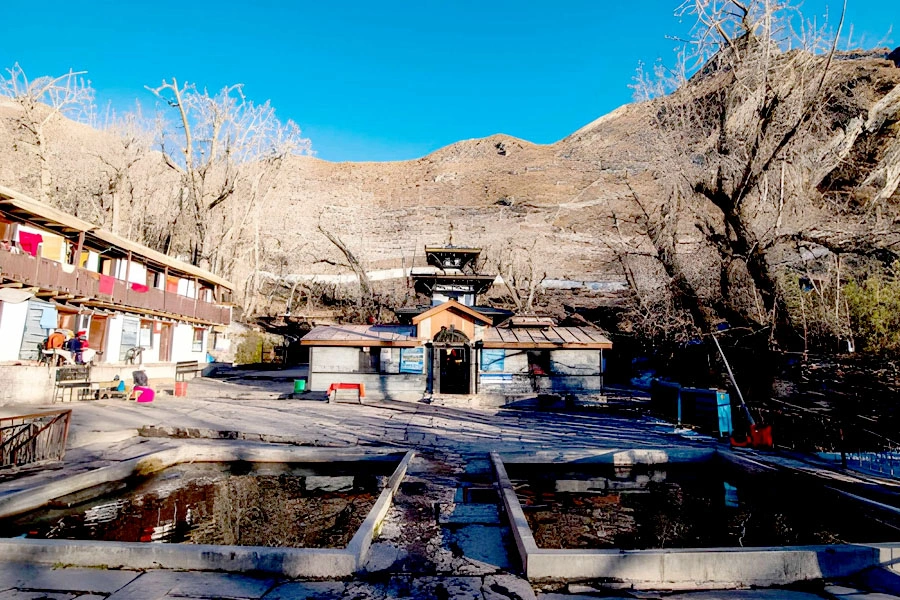
The Nepal Grand Tour begins in Kathmandu and takes you through Nepal’s rich cultural heritage, historic hill towns, Himalayan landscapes, sacred Buddhist sites, and peaceful countryside. From the UNESCO World Heritage Sites of Kathmandu and Bhaktapur to the traditional Newari town of Panauti, the peaceful Namo Buddha Monastery, the Himalayan views of Dhulikhel and Nagarkot, the historic royal palace of Gorkha, charming Bandipur, and the lakeside beauty of Pokhara, this journey combines cultural discovery with spectacular natural scenery. Continue through Palpa and Tansen to Lumbini, the birthplace of Lord Buddha, before discovering the wildlife and traditional Tharu culture of Chitwan National Park.
Explore Kathmandu Valley’s sacred and historic landmarks, including Changu Narayan, Patan Durbar Square, Boudhanath, Pashupatinath, and Swayambhunath. Discover the royal heritage of Gorkha, Bandipur’s traditional architecture, and Pokhara’s Himalayan panoramas, World Peace Pagoda, and Phewa Lake. In Lumbini, visit Maya Devi Temple, the Sacred Garden, Ashoka Pillar, and international Buddhist monasteries before enjoying jungle activities and wildlife watching in Chitwan. The journey also includes a scenic cable car visit to Manakamana Temple and a walking tour of Kathmandu Durbar Square, Basantapur, and Asan Bazaar. With its combination of cultural heritage, Buddhist spirituality, Himalayan scenery, historic towns, wildlife, and local experiences, the Nepal Grand Tour offers a comprehensive introduction to Nepal with Monkvana.
ℹ️ Price Information
The displayed price is per person, based on a typical group size of 5–8 travellers. The final price may vary depending on your selected departure date and group size. Please see the Scheduled Departures & Group Discounts section below for available departure dates and applicable group rates.
-
Kathmandu
-
Kathmandu
-
Car, Flight
-
Hotel & lodge
-
1,750 Meters
-
All Four Seasons
-
Breakfast & Dinner
-
Included
-
HMT-306
-
2-16 People
-
Nepali Guide
-
English | German
-
Cultural Tour
Trip Overview
The Nepal Grand Tour is a 14-day cultural and scenic journey through Nepal’s UNESCO World Heritage Sites, historic hill towns, Himalayan landscapes, sacred Buddhist monasteries, traditional communities, and remarkable wildlife. From the ancient temples and royal squares of Kathmandu Valley to the Himalayan sunrise at Nagarkot, the peaceful Buddhist surroundings of Namo Buddha, the historic royal heritage of Gorkha, and the traditional charm of Bandipur, this journey offers a comprehensive introduction to Nepal’s cultural and natural diversity. Continuing to Pokhara, Palpa, Lumbini, and Chitwan National Park, the tour combines historic discoveries, spiritual experiences, beautiful landscapes, and wildlife encounters in one memorable journey.
Designed for travellers who want to experience Nepal without trekking, the Nepal Grand Tour combines guided cultural sightseeing, scenic road journeys, traditional hill towns, lakeside relaxation, Buddhist heritage, and jungle activities. The route explores the contrasting landscapes of the Kathmandu Valley, the green hills of central Nepal, the Himalayan panoramas around Pokhara, the plains of southern Nepal, and the peaceful countryside surrounding important religious and cultural sites. With private transportation and carefully planned sightseeing stops, the tour offers an opportunity to discover Nepal at a comfortable pace while experiencing the country’s history, traditions, landscapes, and welcoming local communities with Monkvana.
Kathmandu Valley – UNESCO World Heritage Sites and Cultural Heritage
The journey begins in Kathmandu, Nepal’s historic capital and cultural centre. The Kathmandu Valley is renowned for its ancient temples, Buddhist stupas, royal squares, traditional courtyards, and distinctive Newari architecture. Its historic monuments reflect centuries of Hindu and Buddhist traditions, craftsmanship, and religious life, providing an excellent introduction to Nepal’s cultural heritage.
Visit Bhaktapur Durbar Square, one of the Kathmandu Valley’s UNESCO World Heritage Monument Zones, celebrated for its traditional Newari architecture, historic palace buildings, temples, and beautifully preserved courtyards. Walking through the old town reveals traditional brick houses, intricately carved wooden windows, and streets where local artisans continue to practise traditional crafts.
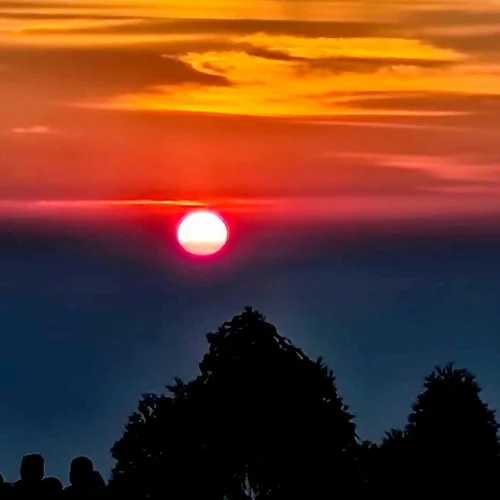
Continue to Changu Narayan Temple, an ancient Hindu temple dedicated to Lord Vishnu. Surrounded by traditional settlements and known for its historic stone and wood carvings, the temple offers insight into Nepal’s religious traditions and architectural heritage. The journey then continues to Nagarkot, a peaceful hilltop destination known for its panoramic Himalayan views. On clear evenings, the surrounding mountain ranges create a spectacular backdrop for sunset, while the following morning offers another opportunity to appreciate Nepal’s mountain scenery.
Panauti and Namo Buddha – Traditional Newari Culture and Buddhist Heritage
Travel through the countryside to Panauti, a historic Newari town known for its traditional architecture, ancient temples, brick-paved streets, and cultural heritage. Located at the confluence of local rivers, Panauti has long been associated with religious traditions and community life. Exploring the historic town provides an opportunity to appreciate its traditional buildings, temples, courtyards, and quieter atmosphere away from Kathmandu’s busy streets.
Continue to Namo Buddha Monastery, one of Nepal’s important Buddhist pilgrimage destinations. The site is traditionally associated with a Buddhist story about compassion and selflessness, in which the Buddha, in a previous life, is believed to have offered his body to save a starving tigress and her cubs. The story makes Namo Buddha an important place of devotion for Buddhist pilgrims.
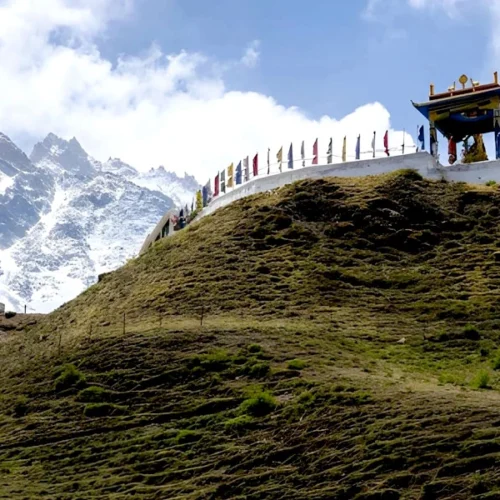
The monastery complex, also known as Thrangu Tashi Yangtse Monastery, occupies a peaceful hillside setting surrounded by greenery, prayer flags, and traditional settlements. Visitors can appreciate the monastery’s religious atmosphere, Buddhist architecture, and scenic surroundings while learning about the spiritual traditions that continue to shape Nepal’s cultural identity.
Dhulikhel, Sanga and Patan – Himalayan Views and Artistic Heritage
The journey continues through Dhulikhel, a historic hill town known for its traditional Newari character, peaceful environment, and panoramic Himalayan views. On clear days, the surrounding mountains provide a striking backdrop to the town’s old streets, traditional houses, and countryside landscapes. Dhulikhel offers an opportunity to experience a quieter side of Nepal while enjoying the natural scenery of the Kathmandu Valley region.
Continue to Sanga, home to the prominent Kailashnath Mahadev Statue, a major religious landmark depicting Lord Shiva. Set among the surrounding hills, the statue is an important pilgrimage attraction and an impressive example of modern religious sculpture in Nepal.
Proceed to Patan Durbar Square, located in the historic city of Lalitpur and recognised as one of the Kathmandu Valley’s UNESCO World Heritage Monument Zones. Patan is celebrated for its Newari architecture, temples, traditional courtyards, and exceptional metal and stone craftsmanship. The historic square contains important temples and palace buildings that reflect the artistic achievements of the Malla period. Together, Dhulikhel, Sanga, and Patan provide a varied experience of Himalayan scenery, religious traditions, and Nepal’s architectural heritage before returning to Kathmandu.
Gorkha – Royal Palace and the History of Modern Nepal
Travel west from Kathmandu through the green hills, river valleys, terraced farmland, and traditional settlements of central Nepal towards Gorkha, a historic hill town associated with the former Gorkha Kingdom and the unification of Nepal. The town holds an important place in Nepalese history and offers insight into the political and cultural development of the country.
The main attraction is Gorkha Durbar, a historic palace and temple complex situated on a hill overlooking the town and surrounding landscapes. The palace is associated with the Shah dynasty and King Prithvi Narayan Shah, who played a central role in unifying the kingdoms that formed modern Nepal. Its traditional architecture, religious shrines, and elevated setting make it an important historical landmark.
A visit to Gorkha introduces travellers to Nepal’s royal heritage while providing views across the surrounding hills and countryside. Following the exploration of Gorkha, continue towards Bandipur, enjoying the changing landscapes and rural scenery of central Nepal.
Bandipur – Traditional Newari Architecture and Hill Town Charm
Bandipur is one of Nepal’s most charming traditional hill towns, known for its preserved Newari architecture, historic buildings, stone-paved streets, temples, and peaceful atmosphere. Located on a ridge above the Marsyangdi Valley, Bandipur combines cultural heritage with views across the surrounding hills and, on clear days, towards the Himalayan ranges.
Walking through the historic town centre reveals traditional houses with carved wooden windows, old courtyards, small temples, and pedestrian-friendly streets. The town’s architecture and slower pace of life provide an opportunity to experience a traditional Nepalese settlement away from the busier tourist centres.
Bandipur is particularly appealing to travellers interested in local culture, historic architecture, photography, and scenic viewpoints. Its combination of heritage and countryside scenery makes it an excellent stop between Gorkha and Pokhara, offering a different perspective on Nepal’s traditional communities and rural landscapes.
Pokhara – Himalayan Panoramas, Lakes and Scenic Attractions
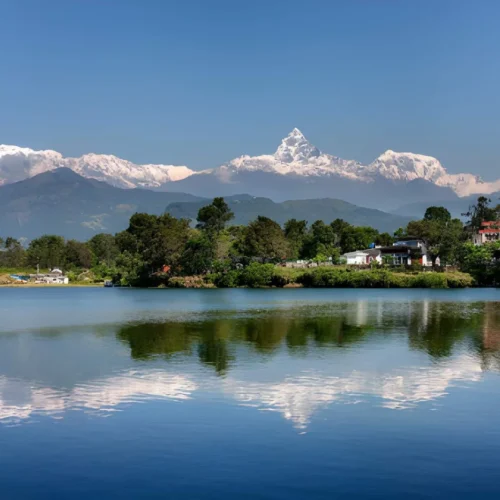
Continue to Pokhara, one of Nepal’s most popular scenic destinations, set beside Phewa Lake and surrounded by green hills and spectacular Himalayan peaks. The city provides a relaxing contrast to the historic towns and cultural landmarks explored earlier in the journey. With its lakeside setting, mountain views, and varied attractions, Pokhara is an ideal place to enjoy Nepal’s natural beauty.
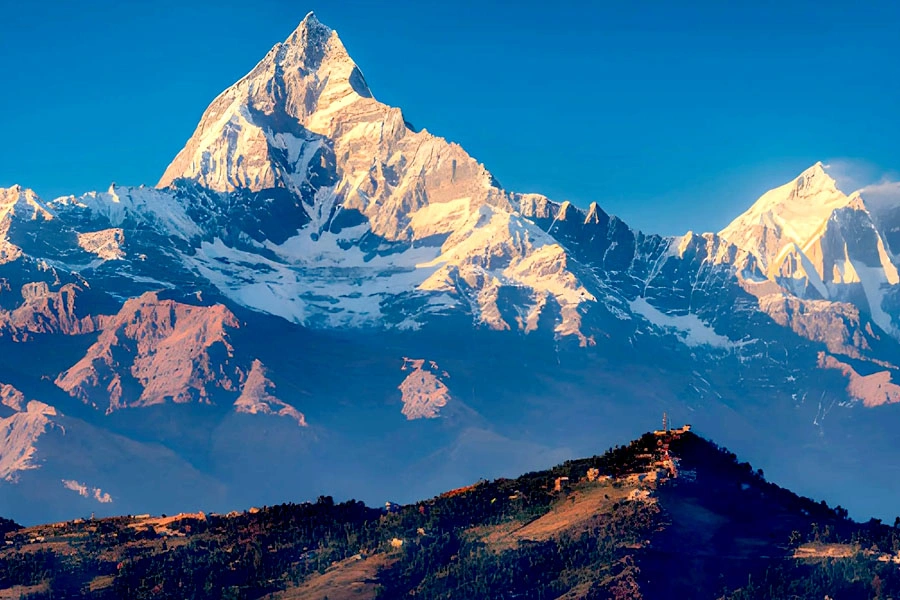
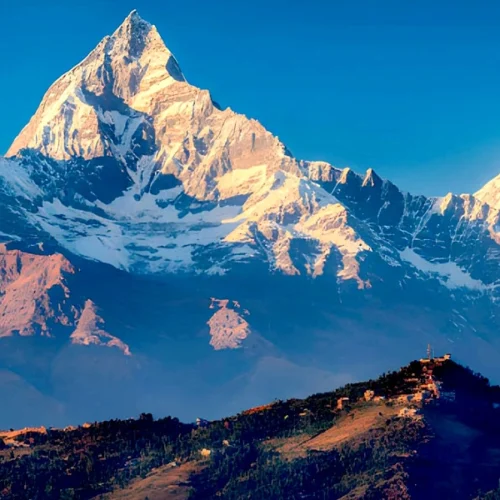
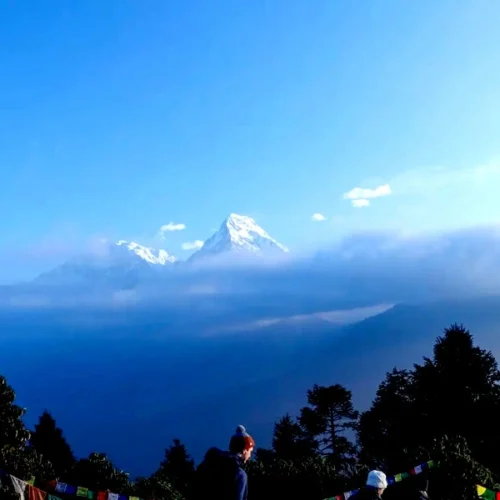
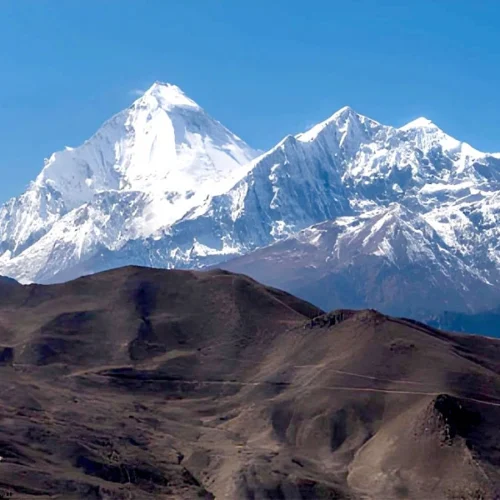
An early morning visit to Sarangkot offers the opportunity to witness sunrise over the Himalayas. On clear mornings, the viewpoint provides panoramic views of the Annapurna range, Dhaulagiri, and Machhapuchhre (Fishtail), with the changing morning light illuminating the surrounding mountains and valleys. Sarangkot is one of the most memorable viewpoints in the Pokhara region and a highlight for travellers interested in mountain photography and scenic landscapes.
Continue with sightseeing around Pokhara, including World Peace Pagoda, also known as Shanti Stupa, a white Buddhist monument situated on a hill overlooking Phewa Lake and the Pokhara Valley. The peaceful surroundings and elevated position provide impressive views across the lake, green hills, and Himalayan ranges.
Explore Phewa Lake, the best-known lake in Pokhara, where visitors can enjoy the lakeside atmosphere and, if desired, take a boat ride across the water. The lake is particularly beautiful when the surrounding mountains are reflected on its surface during clear weather.
Other attractions may include Devi’s Fall, a natural waterfall flowing through a rocky gorge; Gupteshwor Mahadev Cave, an important religious site associated with Lord Shiva; Bindhyabasini Temple, one of Pokhara’s significant Hindu temples; and the International Mountain Museum, which presents the history of Himalayan mountaineering, mountain cultures, and Nepal’s major peaks. Together, these attractions offer a varied experience of Pokhara’s natural scenery, religious heritage, and mountain traditions.
Palpa and Tansen – Historic Hill Landscapes and Traditional Heritage
Travel from Pokhara towards Lumbini via Palpa and Tansen, enjoying the scenic hills, terraced farmland, river valleys, and traditional settlements of western Nepal. The route offers changing countryside views and an opportunity to experience the landscapes and cultural character of the region.
Tansen, the historic town of Palpa District, is known for its traditional Newari architecture, narrow streets, old houses, temples, and cultural heritage. The town has a long history as a trading centre and is associated with traditional metalwork, Dhaka textiles, and local craftsmanship.
Visit Srinagar Hill, a scenic viewpoint above Tansen, where the surrounding hills and distant Himalayan ranges can be admired on clear days. The area offers a peaceful setting for photography and an opportunity to appreciate the natural beauty of the Palpa region.
The journey through Palpa and Tansen adds a valuable cultural and scenic dimension to the Nepal Grand Tour, connecting the mountain landscapes of Pokhara with the sacred plains of Lumbini.
Lumbini – Birthplace of Lord Buddha and Sacred Buddhist Heritage
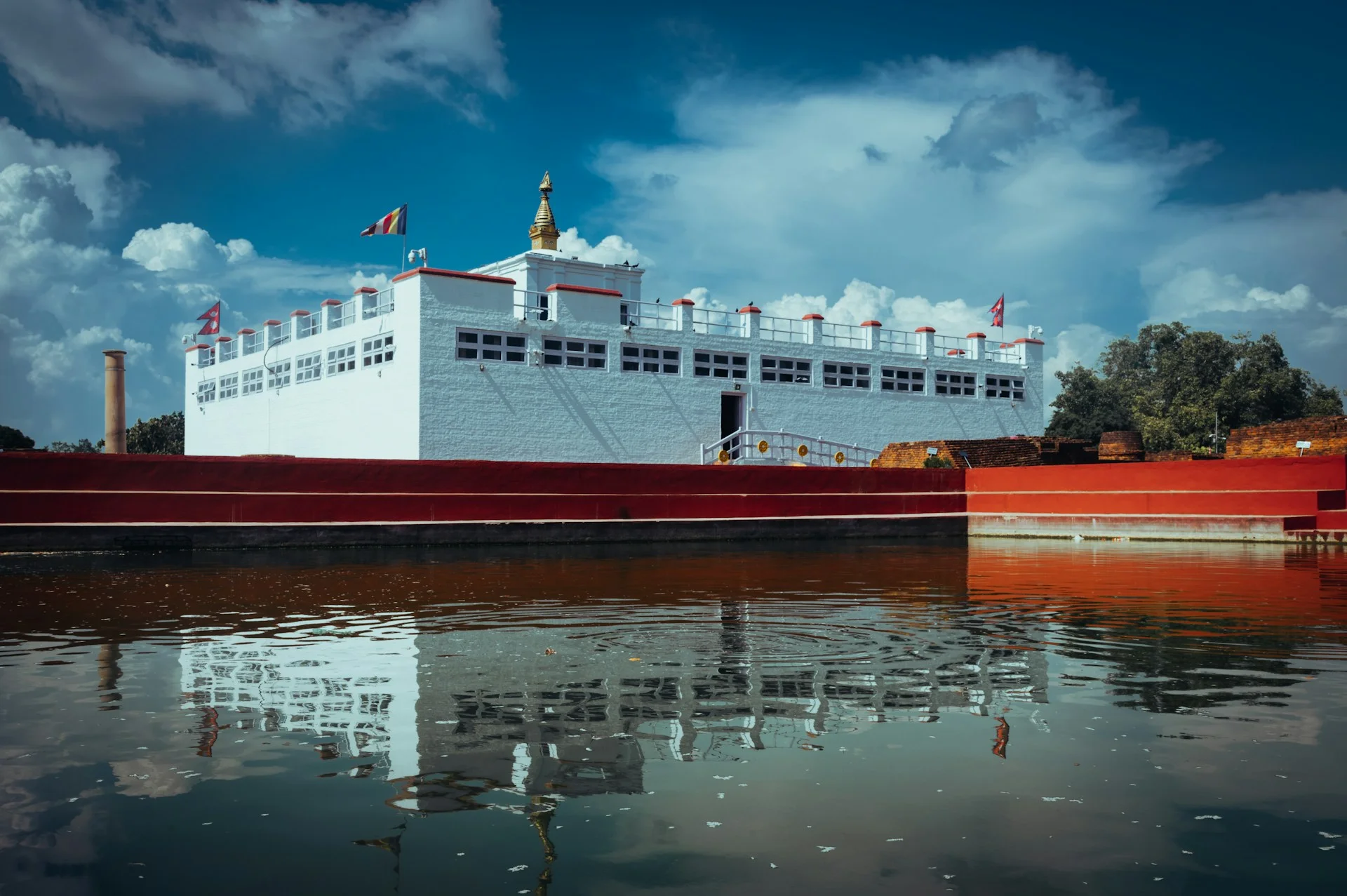
Continue to Lumbini, the birthplace of Siddhartha Gautama, who became known as Lord Buddha. Recognised as a UNESCO World Heritage Site, Lumbini is one of the most important Buddhist pilgrimage destinations in the world and attracts visitors, pilgrims, and spiritual seekers from many countries.
Explore the Maya Devi Temple, the principal sacred site marking the traditional birthplace of Buddha. The surrounding Sacred Garden includes archaeological remains, ancient monuments, and peaceful spaces for reflection. The Ashoka Pillar, erected by Emperor Ashoka during his pilgrimage to Lumbini, is an important historical landmark associated with the site’s Buddhist heritage.
The wider Lumbini complex includes international monasteries built by Buddhist communities from different countries, each reflecting distinctive architectural traditions and expressions of Buddhist faith. Walking through the monastic zone offers an opportunity to appreciate the international character of Buddhism and the peaceful atmosphere of this sacred destination.
Lumbini provides a meaningful spiritual experience within the Nepal Grand Tour, offering a contrast to the Himalayan landscapes, historic hill towns, and bustling cultural centres visited earlier in the journey.
Chitwan National Park – Jungle Safari, Wildlife and Tharu Culture
From Lumbini, travel to Chitwan National Park, one of Nepal’s most important wildlife destinations and a UNESCO World Heritage Site. Located in the subtropical lowlands of southern Nepal, Chitwan is known for its forests, grasslands, river systems, and rich biodiversity. The region offers a very different landscape from the hills and mountains experienced earlier in the tour.
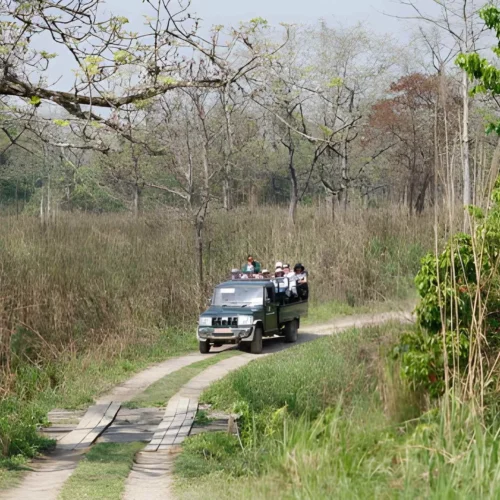
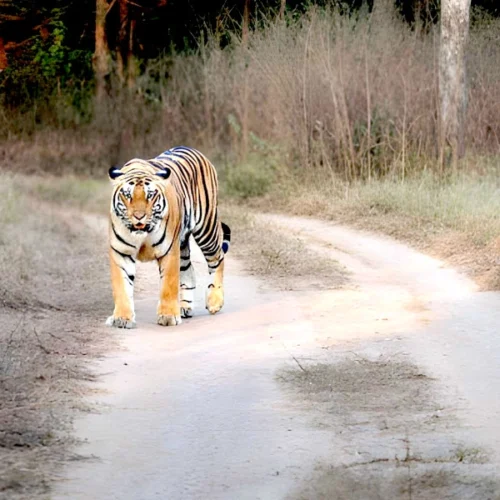
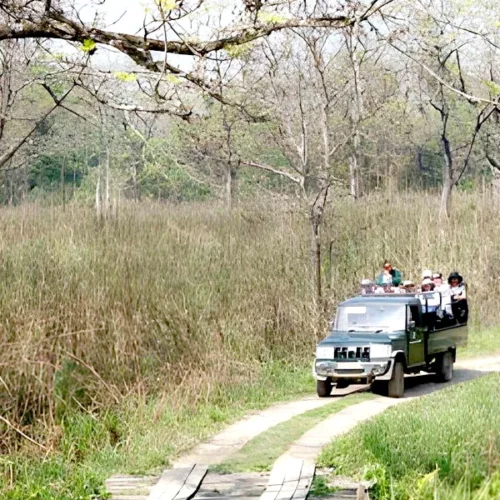
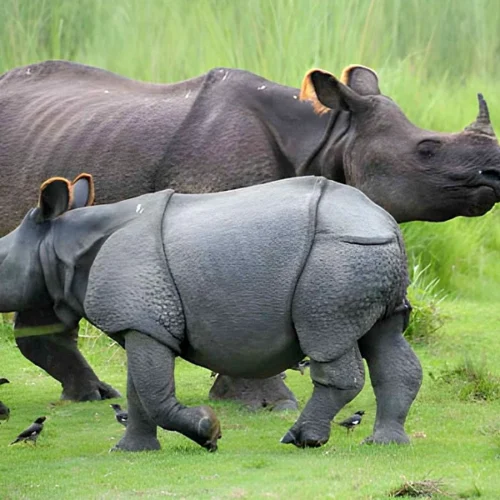
During your stay, enjoy jungle activities arranged according to local conditions and the selected programme. Experiences may include a jeep safari, guided nature walks, birdwatching, and a canoe ride along a river, offering opportunities to discover the park’s natural environment and observe its wildlife. Chitwan is particularly known for the greater one-horned rhinoceros, and the park also supports Bengal tigers, wild elephants, crocodiles, deer, and a remarkable variety of bird species. Wildlife sightings depend on the season, weather, and natural conditions.
The Chitwan region is also home to the Tharu community, whose traditional culture, architecture, food, and customs reflect a long relationship with the surrounding environment. A cultural experience may include a village visit, traditional performances, or an introduction to local lifestyles, depending on the arrangements available.
Combining wildlife exploration with cultural encounters, Chitwan adds an exciting nature-based element to the Nepal Grand Tour and offers a memorable contrast to the temples, historic towns, and mountain scenery of the earlier days.
Manakamana Temple – Sacred Pilgrimage and Return to Kathmandu
On the journey back to Kathmandu, stop at Kurintar to visit Manakamana Temple, an important Hindu pilgrimage destination dedicated to Goddess Bhagwati. The temple stands on a hilltop overlooking the surrounding valleys and is traditionally visited by devotees seeking blessings and the fulfilment of their wishes.
The journey to the temple is made by cable car, offering scenic views of the green hills, river valleys, and surrounding countryside. The temple’s religious importance and elevated setting make it a distinctive stop between Chitwan and Kathmandu.
After the visit, continue by road to Kathmandu without an overnight stay in Kurintar. This journey brings together Nepal’s religious traditions and scenic landscapes before the final cultural exploration of the capital.
Kathmandu – Sacred Stupas, Hindu Temples and Living Heritage
Return to Kathmandu for further exploration of the valley’s most important religious and cultural landmarks. Visit Boudhanath Stupa, a major centre of Tibetan Buddhist culture and one of the largest Buddhist stupas in Nepal. Its white dome, prayer wheels, colourful prayer flags, and surrounding monasteries create a distinctive spiritual atmosphere. Visitors can walk around the stupa with pilgrims and observe the daily religious activities that continue to shape the area.
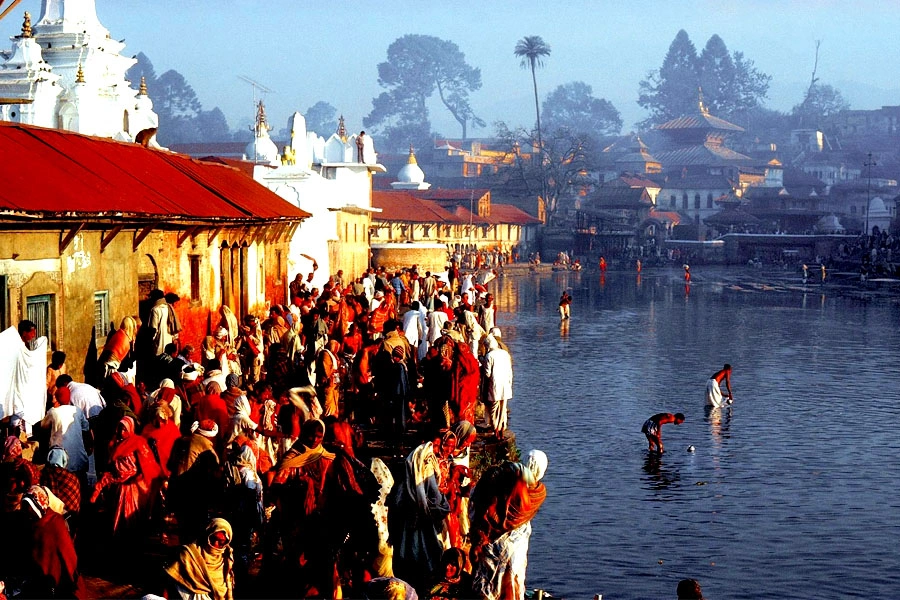
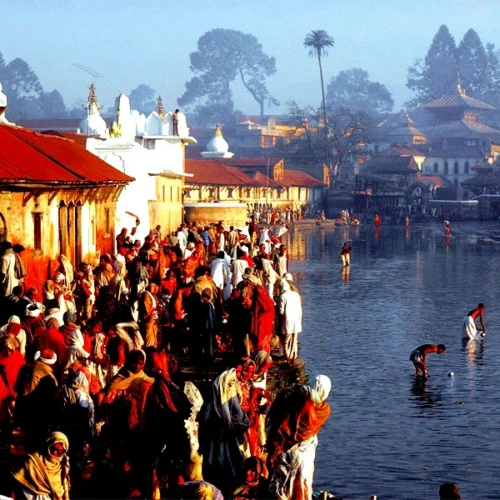
Continue to Pashupatinath Temple, one of the most sacred Hindu temples dedicated to Lord Shiva. Located beside the Bagmati River, the temple complex is known for its traditional pagoda-style architecture, shrines, and important religious rituals. The surrounding area provides insight into Hindu pilgrimage traditions and Nepal’s living spiritual heritage.
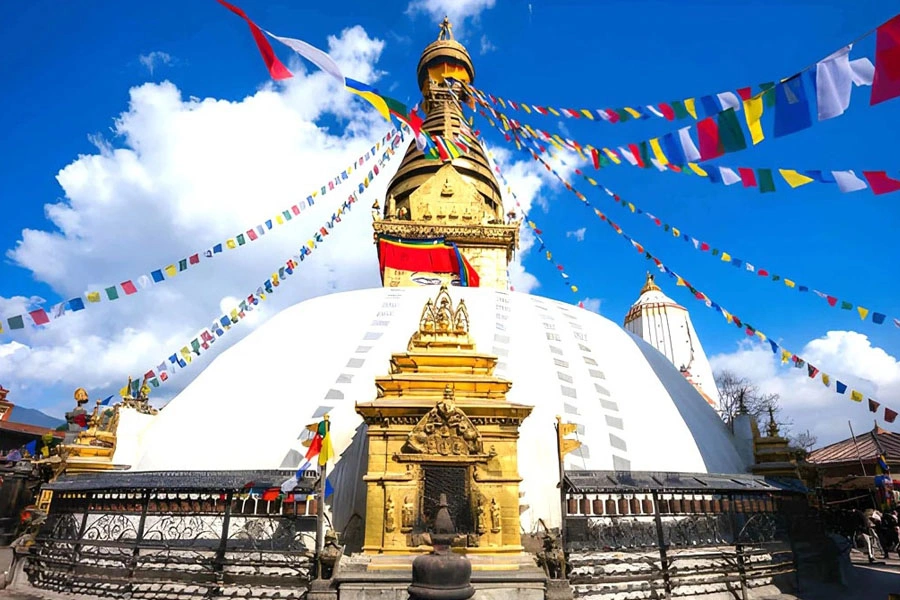
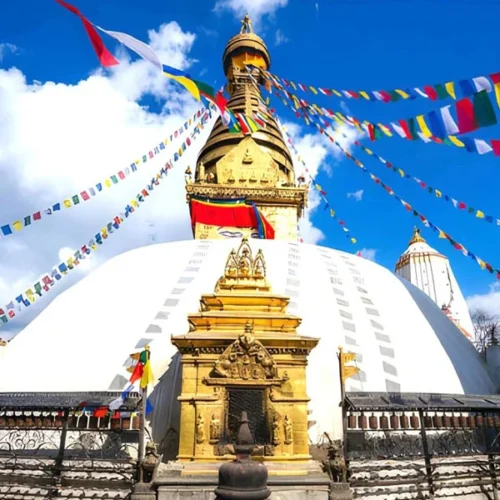
Visit Swayambhunath Stupa, situated on a hill overlooking Kathmandu. Also known as the Monkey Temple, this ancient Buddhist complex is recognised for its iconic Buddha eyes, prayer flags, and panoramic views across the valley. The site reflects the close relationship between Buddhist and Hindu traditions that characterises much of Nepal’s cultural landscape.
Together, these sacred landmarks provide a deeper understanding of Kathmandu’s religious identity, architectural heritage, and continuing role as an important spiritual centre.
Kathmandu Durbar Square – Historic Palace, Basantapur and Local Markets
The final full sightseeing day focuses on a walking tour of Kathmandu Durbar Square, also known as Basantapur Durbar Square, one of the Kathmandu Valley’s UNESCO World Heritage Monument Zones. The historic square was once the centre of royal life and remains one of the most important cultural landmarks in the capital.
Explore the historic palace complex, temples, courtyards, and traditional buildings that reflect the architectural and artistic achievements of the Malla and Shah periods. The surrounding streets provide opportunities to observe traditional Newari architecture, local religious practices, and the everyday life of Kathmandu’s historic centre.
Continue through Asan Bazaar, one of the city’s traditional market areas, known for its lively streets, local shops, spices, vegetables, household goods, and neighbourhood temples. Walking through the market offers a glimpse into Kathmandu’s everyday commercial life and provides opportunities to browse for local products and souvenirs.
This walking tour combines historic monuments with the atmosphere of traditional local markets, allowing travellers to experience Kathmandu beyond its major temples and monuments. It also offers time to appreciate the city’s distinctive character before the journey concludes.
Final Departure – A Warm Farewell to Nepal
The final day is reserved for departure from Kathmandu, with the schedule arranged according to your international flight time. After breakfast, or at the appropriate time for your flight, a private transfer will take you to Tribhuvan International Airport for your onward journey.
The Nepal Grand Tour brings together a remarkable range of experiences, from the UNESCO World Heritage Sites of the Kathmandu Valley and the royal history of Gorkha to the traditional architecture of Bandipur, the Himalayan scenery of Pokhara, the Buddhist heritage of Lumbini, and the wildlife-rich landscapes of Chitwan National Park. Visits to Panauti, Namo Buddha, Dhulikhel, Palpa, and Manakamana further reveal Nepal’s religious traditions, local culture, and varied countryside.
Combining cultural discovery, spiritual heritage, Himalayan scenery, traditional hill towns, lakes, wildlife, and local experiences, the Nepal Grand Tour offers a balanced introduction to Nepal without trekking. With carefully selected destinations, private road travel, and opportunities to meet local communities, the journey provides a memorable way to discover Nepal’s heritage, natural beauty, and welcoming traditions with Monkvana.
Trip Highlights
- Explore Kathmandu Valley’s UNESCO heritage, including Bhaktapur, Changu Narayan, Patan, Boudhanath, Pashupatinath, Swayambhunath and more.
- Enjoy Himalayan sunsets from Nagarkot and discover Panauti’s Newari heritage and the peaceful Buddhist setting of Namo Buddha Monastery in Nepal.
- Discover Gorkha Durbar, linked to Nepal’s unification, and explore Bandipur’s traditional architecture, historic buildings and charming streets.
- Experience Pokhara’s scenic attractions, including Sarangkot sunrise, Phewa Lake, World Peace Pagoda, Devi’s Fall and Gupteshwor Mahadev Cave.
- Travel through Palpa and Tansen, discovering traditional hill-town architecture, local craftsmanship, cultural heritage and scenic western Nepal.
- Visit Lumbini, birthplace of Lord Buddha, and explore Maya Devi Temple, the Sacred Garden, Ashoka Pillar and international Buddhist monasteries.
- Experience Chitwan National Park through jungle activities, wildlife watching, birdwatching and encounters with the traditional Tharu culture of Nepal.
- Visit sacred Manakamana Temple by cable car and enjoy views of Nepal’s green hills, river valleys and countryside on the return to Kathmandu.
- Discover Kathmandu’s spiritual landmarks and enjoy a walking tour of Basantapur, Kathmandu Durbar Square, Asan Bazaar and traditional markets.


Write a Review