
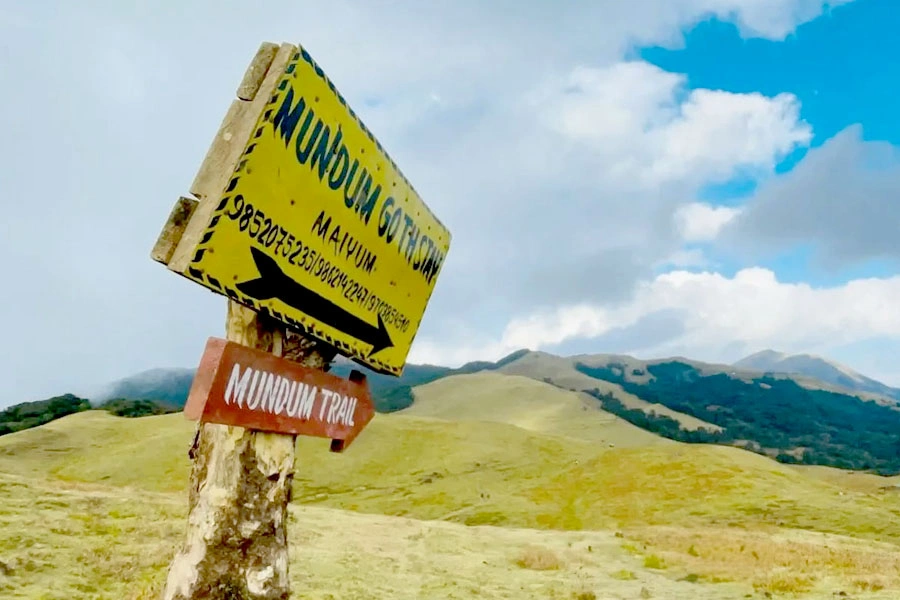
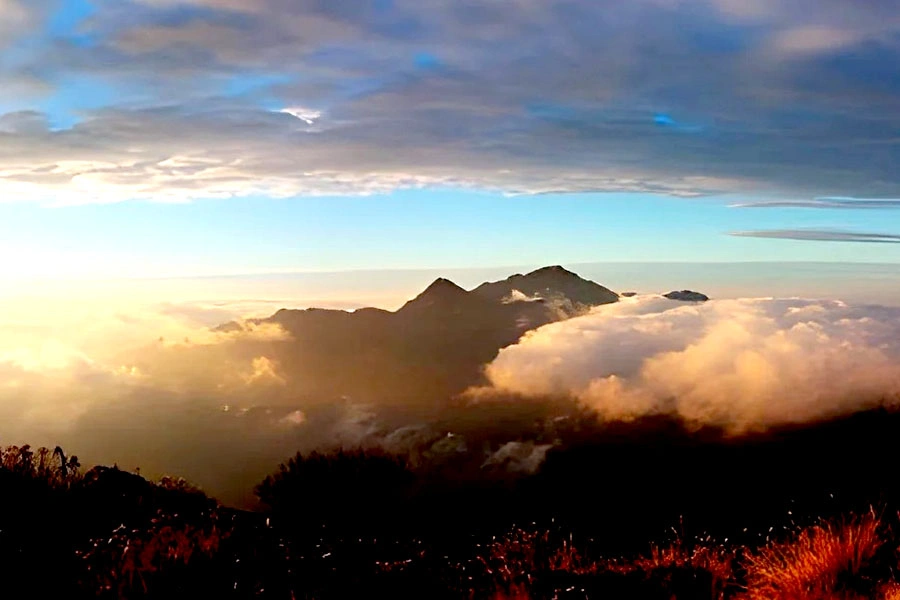
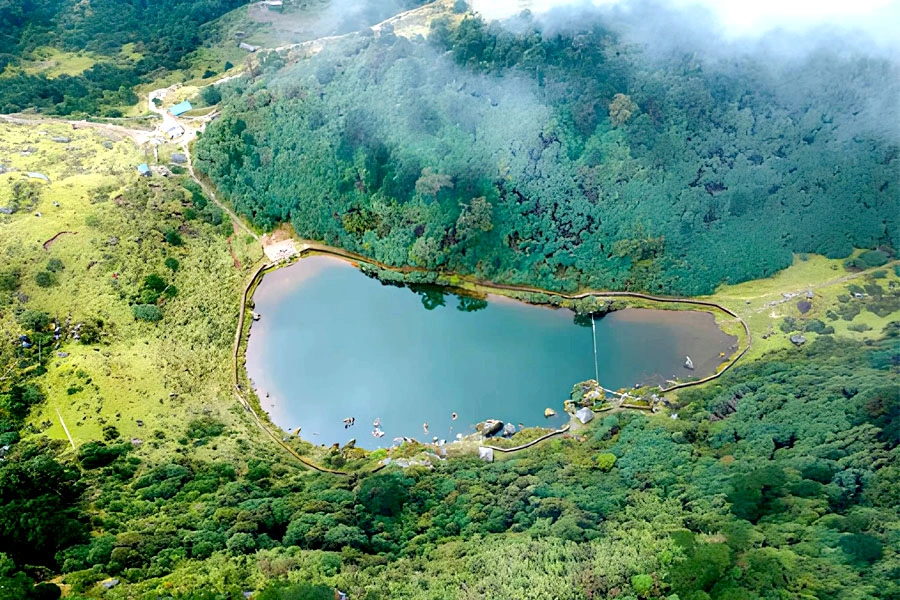
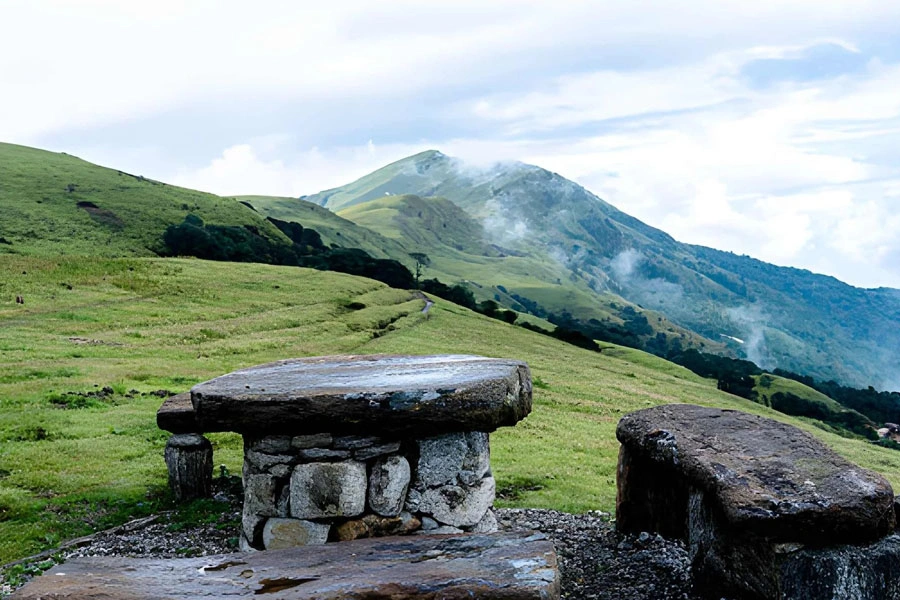
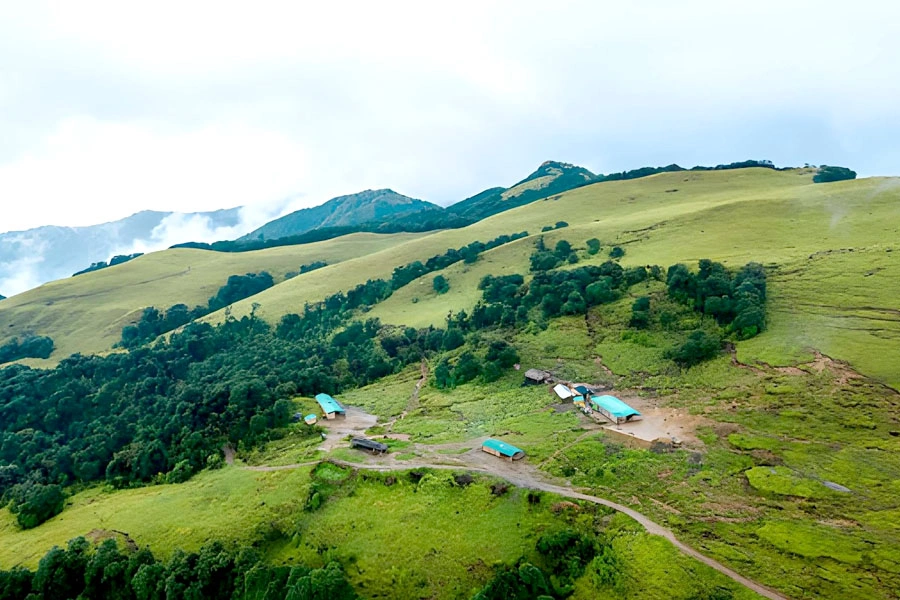
The Mundhum Trail Trek Nepal offers a remarkable cultural and scenic adventure through the remote eastern hills of Nepal, following an approximately 80 km ridge route through the ancestral homeland of the Kirat people. Beginning at Chakhewa Bhanjyang, the journey continues through Dhotre, Maiyung, Hyakule, Rawa Dhap, Nikas, and Salpa Bhanjyang, before reaching the sacred Salpa Pokhari (3,672 m) and Silichung Peak (4,153 m). Along the way, trekkers encounter traditional Kirat settlements, rhododendron forests, alpine meadows, sacred landscapes, and the living Mundhum tradition rooted in ancestral beliefs, rituals, and cultural heritage. The trail offers remarkable views of Mount Everest, Lhotse, Makalu, and Kanchenjunga, while the peaceful landscapes and community-based tourism provide an authentic experience far from Nepal’s busy trekking routes. This unforgettable Mundhum Trail Trek Nepal combines indigenous culture, spirituality, natural diversity, and breathtaking Himalayan scenery, offering a meaningful journey through one of eastern Nepal’s most distinctive cultural trekking destinations with Monkvana.
ℹ️ Price Information
The displayed price is per person, based on a typical group size of 5–8 travellers. The final price may vary depending on your selected departure date and group size. Please see the Scheduled Departures & Group Discounts section below for available departure dates and applicable group rates.
-
Kathmandu
-
Kathmandu
-
Car, Flight
-
Hotel & Lodge
-
4,153 Meters
-
Spring & Autumn
-
3 Meals a Day
-
Included
-
HMT-276
-
2-16 People
-
Nepali Guide
-
English | German
-
Tea House Trek
Trip Overview
The Mundhum Trail Trek is an immersive journey through the eastern hills of Nepal, combining Kirat culture, traditional mountain communities, sacred landscapes, rhododendron forests, and panoramic Himalayan scenery. Away from Nepal’s busy trekking corridors, the route follows quiet ridges and rural trails through the ancestral landscapes of the Kirat people, offering a close look at the cultural traditions and natural beauty of eastern Nepal.
The trek begins around Chakhewa Bhanjyang and gradually crosses scenic ridges through Dhotre, Maiyung, Hyakule, Rawa Dhap, Nikas, and Salpa Bhanjyang. As the elevation increases, the surroundings change from cultivated hills and forests to open grasslands and alpine terrain. The journey reaches Salpa Pokhari (3,672 m), a sacred mountain lake, before continuing toward Silichung Peak (4,153 m), the highest point of the trail, where clear weather can reveal impressive views toward Everest, Lhotse, Makalu, and Kanchenjunga.
Culture remains an important part of the experience throughout the trek. The Mundhum, the oral tradition of the Kirat communities, carries ancestral stories, rituals, beliefs, and knowledge closely connected with nature and the spiritual world. Encounters with traditional villages, local customs, community life, and seasonal cultural activities add depth to the mountain journey. With its combination of indigenous heritage, peaceful ridge trails, sacred sites, diverse landscapes, and Himalayan views, the Mundhum Trail Trek offers a distinctive way to discover eastern Nepal.
Why Choose the Mundhum Trail Trek?
The Mundhum Trail Trek offers a quieter alternative to Nepal’s established trekking routes. Its combination of Kirat heritage, ridge walking, mountain scenery, sacred sites, and rural communities creates a varied trekking experience.
The trail is particularly appealing to travelers interested in experiencing eastern Nepal beyond its major mountain destinations. Traditional villages, forests, high ridges, and Himalayan viewpoints make each section of the journey different.
Journey Through Kirat Heritage
The cultural character of the trail is closely connected with the Kirat communities of eastern Nepal. Their traditions, ancestral stories, rituals, and relationship with the natural landscape remain an important part of local life.
The Mundhum is traditionally passed down through generations as an oral cultural heritage. During the trek, travelers can gain a deeper understanding of this tradition through local communities, sacred places, cultural practices, and village life.
Ridge Trails and Changing Mountain Landscapes
Much of the Mundhum Trail follows mountain ridges, creating a different trekking experience from routes that mainly follow river valleys. The trail rises and falls across forests, open hillsides, meadows, and high mountain terrain.
Lower sections feature cultivated landscapes and settlements, while higher areas become more open and alpine. During clear weather, the ridges provide broad views across the eastern hills toward the Himalayan ranges.
Salpa Pokhari – A Sacred Himalayan Lake
Salpa Pokhari (3,672 m) is one of the most significant natural and cultural landmarks along the Mundhum Trail. Surrounded by high mountain landscapes, the lake holds spiritual importance for local communities and is also visited by pilgrims.
The peaceful setting, alpine surroundings, and cultural significance make Salpa Pokhari one of the memorable stops of the trek. The area also contributes to the spiritual character for which the Mundhum Trail is increasingly recognized.
Silichung Peak – The Highest Point
At approximately 4,153 m, Silichung Peak is the highest point of the Mundhum Trail Trek. The approach takes trekkers into more rugged and open mountain terrain, adding a rewarding adventure element to the cultural journey.
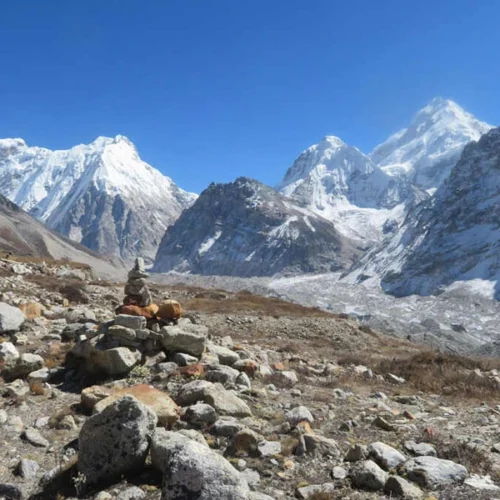
On clear days, the high ridges around Silichung can provide views toward Mount Everest, Lhotse, Makalu, and Kanchenjunga. The summit experience combines high-altitude scenery with the peaceful atmosphere of this remote part of eastern Nepal.
Villages and Local Community Life
The Mundhum Trail passes through traditional villages and rural settlements where agriculture, livestock, local traditions, and community life remain closely connected. The relatively quiet nature of the region allows travelers to experience a more authentic rural atmosphere.
Depending on the itinerary, accommodation may include local lodges, homestays, or camping, allowing trekkers to spend time within communities and support locally operated tourism services.
Forests, Flora and Mountain Scenery
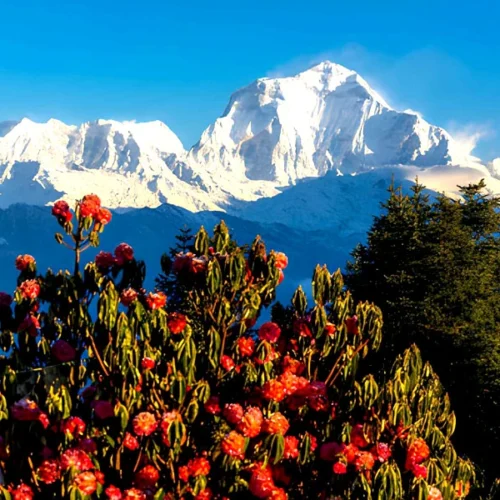
The trail crosses a variety of natural environments, including rhododendron forests, temperate woodland, grasslands, cultivated hills, and alpine landscapes. Spring brings colorful rhododendron blooms to many forested sections of the route.
Birdlife and other Himalayan wildlife can also be encountered along the trail, although sightings are naturally dependent on season and location. The peaceful forests and open ridges make the route attractive to nature lovers and photographers.
Mundhum Culture and Spiritual Traditions
Mundhum represents an important body of Kirat oral heritage, preserving stories, beliefs, rituals, ancestral knowledge, and cultural values. Its connection with nature gives the trekking route a strong spiritual dimension.
Cultural experiences may include traditional music, dances, rituals, local celebrations, and other community practices. Sakela Ubhauli and Udhauli are among the important Kirat cultural celebrations associated with the region, although participation or observation depends on the trekking season.
Community-Based Tourism
Tourism along the Mundhum Trail provides opportunities to support local communities and small tourism businesses in eastern Nepal. Homestays, local accommodation, guides, food services, and community facilities contribute to the developing trekking infrastructure.
The trail received additional attention through the 2025 Mundhum Trail Visit Year initiative, which promoted cultural and nature-based tourism and encouraged improvements to local facilities. These developments have contributed to the trail’s growing recognition as an emerging destination.
Historical Connection with Everest Expeditions
Some sections of the eastern Nepal route are associated with historical approaches used during early Everest expeditions. This adds another layer of interest for travelers exploring the region.
Today, the trail offers a combination of indigenous heritage and mountain history, connecting traditional eastern communities with the wider story of Himalayan exploration.
Mundhum Trail Trek Difficulty
The Mundhum Trail Trek is generally considered moderate, but its repeated ridge climbs and descents require good physical preparation. The higher sections around Salpa Pokhari and Silichung Peak also require careful acclimatization.
Regular walking, cardiovascular exercise, and preparation for consecutive trekking days can help travelers manage the route comfortably. Weather and trail conditions should also be considered when planning the trek.
How Long Does the Mundhum Trail Trek Take?
The trekking duration depends on the selected route, transportation arrangements, walking pace, acclimatization, and time spent exploring local communities.
A shorter itinerary may be suitable for experienced Nepali trekkers, while international travelers may prefer around 12–13 days for a more gradual journey with additional time for acclimatization and cultural exploration.
Best Time for Mundhum Trail Trek
The main trekking seasons are spring and autumn. Spring is particularly attractive for rhododendron forests and pleasant mountain landscapes, while autumn generally offers stable conditions and clear Himalayan views.
Winter can bring colder temperatures and snow at higher elevations, while the monsoon season may bring rain, clouds, and muddy trails. Seasonal conditions should be considered when selecting departure dates.
Accommodation on the Mundhum Trail
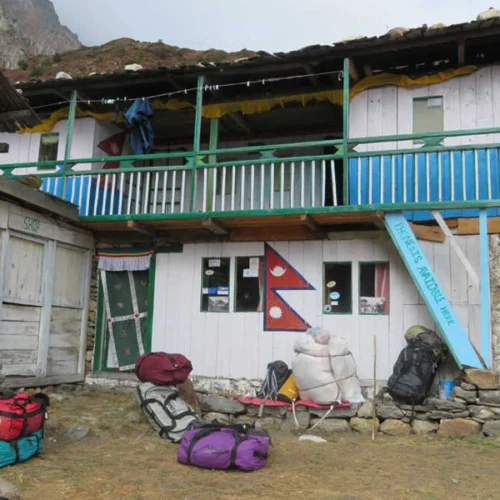
Accommodation is more basic and locally oriented than on Nepal’s major trekking routes. Depending on the section and itinerary, trekkers may stay in homestays, local lodges, community facilities, or tented camps.
Facilities can be simple in remote areas, making the Mundhum Trail suitable for travelers who value cultural interaction and wilderness experience over luxury accommodation.
Meals During the Trek
Meals generally consist of simple, filling local dishes such as dal bhat, rice, noodles, vegetables, potatoes, eggs, soups, bread, and other available meals.
Food choices become more limited in remote sections. Where camping is required, meals can be prepared by the trekking cooking team and served at camp.
Permits and Guide
The permits required depend on the final itinerary and the areas covered by the trek. Travelers should arrange the necessary trekking permits and local permissions through a registered trekking agency before departure.
Because the Mundhum Trail includes remote and less-developed sections, traveling with an experienced local guide is useful for navigation, accommodation arrangements, cultural interpretation, and changing trail conditions.
Who Is the Mundhum Trail Trek Suitable For?
The trek is well suited to travelers who enjoy cultural experiences, remote mountain trails, traditional villages, nature, and less-crowded trekking destinations.
It is especially attractive for those looking for an alternative to Nepal’s more established trekking routes and who want to combine Himalayan scenery with a deeper experience of eastern Nepal’s indigenous heritage.
Trip Highlights
- Explore the ancestral landscapes of the Kirat communities, discovering their traditions, villages, and spiritual connection with nature.
- Experience Mundhum culture and traditional village life, learning about ancestral stories, rituals, beliefs, and local customs.
- Walk across peaceful mountain ridges, forests, and open hills, enjoying quiet trails and changing Himalayan landscapes throughout the trek.
- Visit sacred Salpa Pokhari at 3,672 m, a serene alpine lake surrounded by mountain scenery and important Kirat spiritual heritage.
- Climb Silichung Peak at 4,153 m, the highest point of the trail, for an adventurous high-altitude experience and panoramic mountain views.
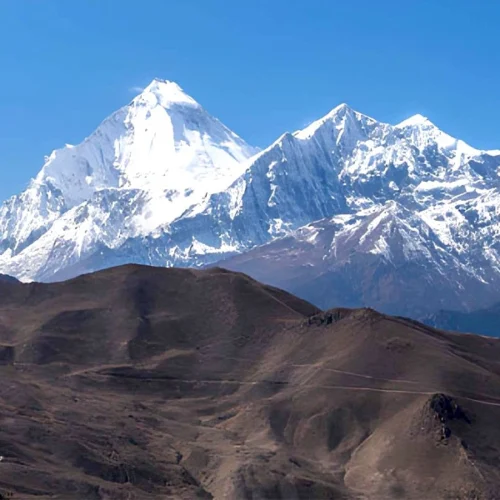
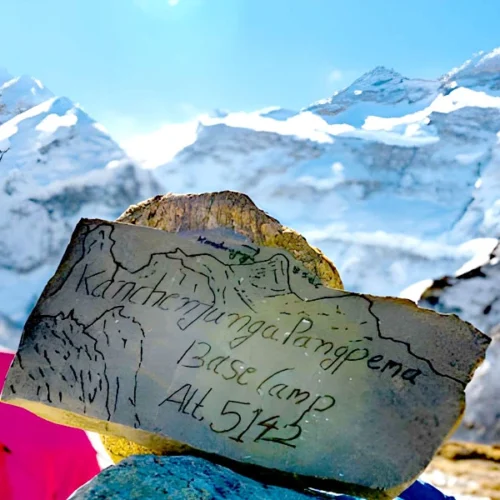
- Enjoy views of Everest, Lhotse, Makalu, and Kanchenjunga from the high ridges and summit areas in clear-weather conditions.
- Walk through colorful rhododendron forests in spring, when the hills come alive with vibrant blooms and beautiful Himalayan scenery.
- Experience local homestays and community-based tourism, connecting with rural communities while supporting locally operated trekking services.
- Discover an emerging trekking destination in eastern Nepal, combining remote trails, Kirat heritage, sacred sites, and Himalayan views.


Write a Review